
Budget Skincare Picks Under ₱500
By Lia Santos / Sep 19
Did you know that traditional beauty practices in the Philippines date back centuries, blending local ingredients and rituals that promote health and well-being? As we explore these rich traditions, you’ll discover how they shape modern beauty routines and empower us to embrace our natural selves.
Filipino beauty traditions are deeply rooted in natural ingredients and holistic well-being. The visual below highlights key aspects, from cultural practices to climate considerations, that shape these authentic and simple beauty routines.
As a beauty enthusiast, I’ve always been fascinated by the rich history of beauty practices in the Philippines. Our culture is steeped in traditions that celebrate the use of local ingredients and rituals that enhance natural beauty. From ancient times, Filipino women have embraced remedies derived from the bounties of nature, showcasing a deep connection to our environment and heritage. Today, let’s explore how these traditions shape our beauty routines and empower us to embrace our unique characteristics!
Whether it’s using herbal infusions or incorporating fruits and plants into our daily rituals, the essence of Filipino beauty lies in its authenticity and simplicity. By understanding these traditions, we can appreciate the values that have been passed down through generations and find inspiration for our modern beauty practices.
Beauty in the Philippines is not just about looking good; it's a holistic approach that encompasses health and well-being. Natural ingredients play a prominent role in our beauty routines, often derived from plants and herbs that are abundant in our surroundings. Here are some key elements:
These practices remind us that beauty is not just skin deep; it’s about bonding, sharing, and celebrating our heritage. By incorporating these traditions into our routines, we embrace the beauty that reflects who we are as Filipinos.
Living in the Philippines means dealing with a humid climate, which significantly impacts our skin health. The combination of heat and humidity can lead to various skin concerns, including excessive oiliness and breakouts. It's essential to adapt our skincare routines to combat these challenges!
Here are some ways the climate influences our beauty practices:
By recognizing the effects of our environment, we can tailor our routines effectively, ensuring our skin remains healthy and radiant despite the weather. Remember, it’s all about finding what works best for you in this beautiful, tropical paradise!
As we delve deeper into the beauty traditions of the Philippines, we’d love to know: Which natural ingredient do you find most effective in your skincare routine?
Filipino beauty traditions are deeply rooted in natural ingredients and holistic well-being, emphasizing health and a deep connection to the environment. They focus on simplicity and authenticity.
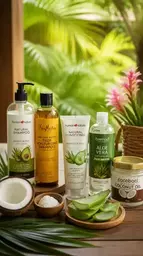
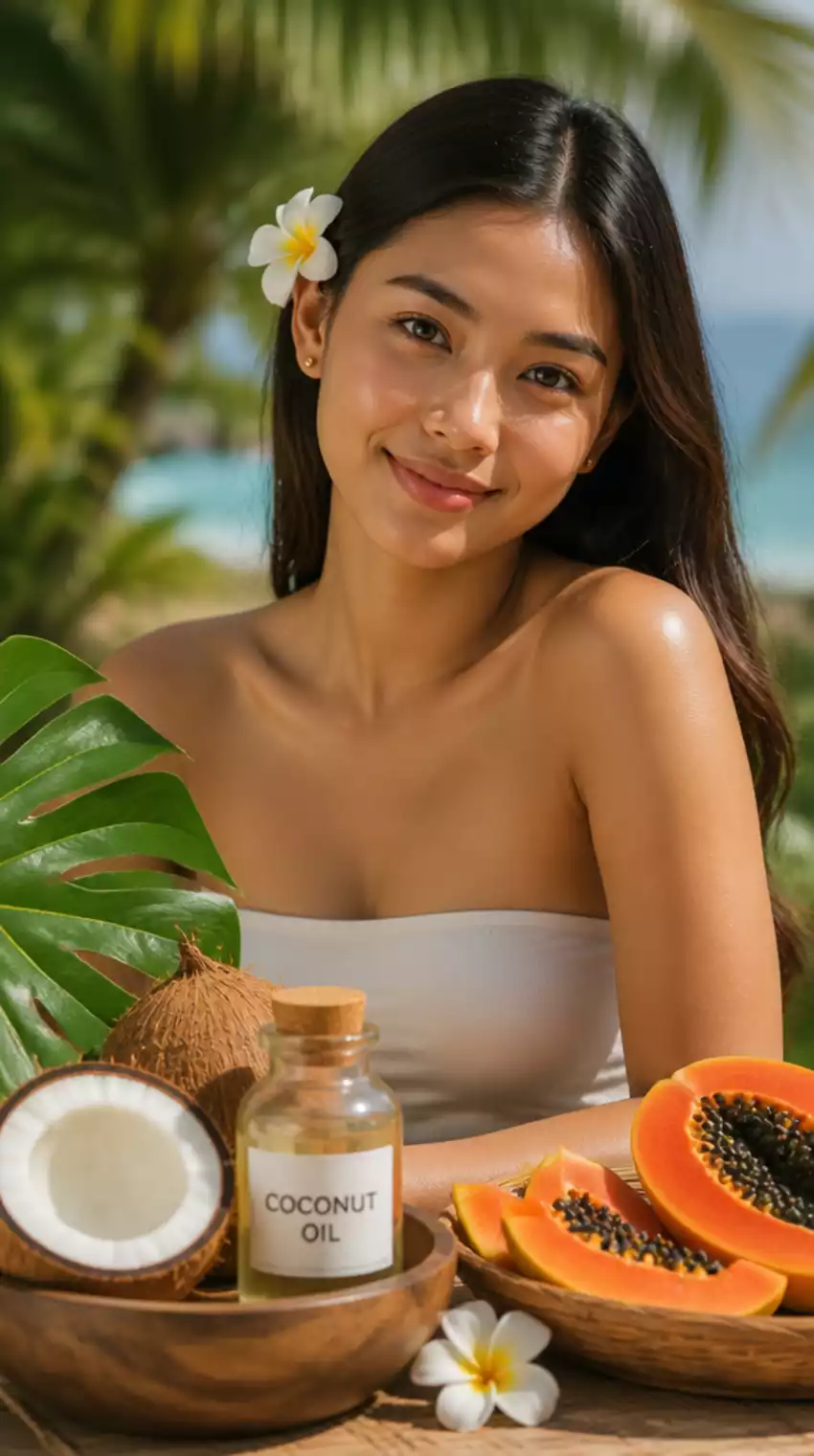
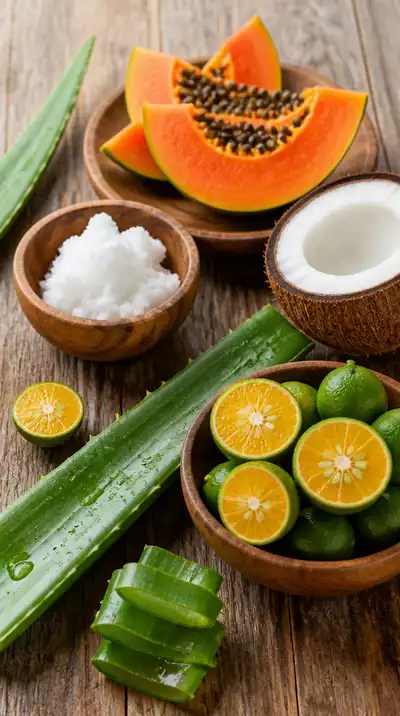
Commonly used ingredients include coconut oil for moisturizing and hair health, calamansi for skin brightening and exfoliation, honey as a natural antiseptic and moisturizer, and papaya and aloe vera for skin clarity and soothing.
The humid climate necessitates using lightweight, hydrating products to avoid clogging pores, daily sunscreen application to combat harsh UV rays, and regular exfoliation to prevent breakouts and promote clearer skin.
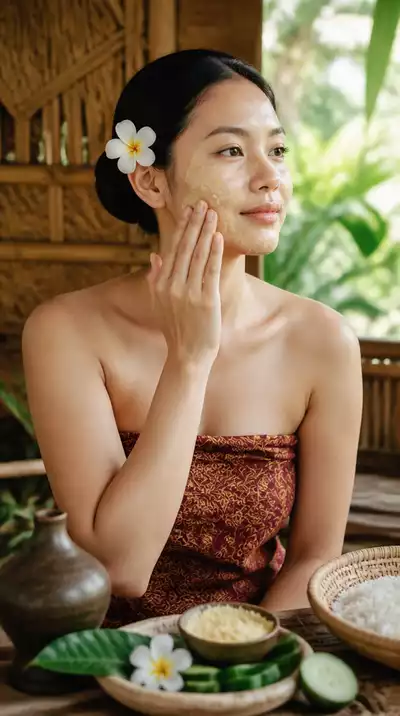
Traditional rituals often include hilot massage, a form of Filipino massage that promotes relaxation and rejuvenation. Additionally, community sharing of beauty tips is a significant cultural practice fostering support and collective empowerment.
Yes, turmeric masks are used for targeting acne and inflammation, while honey-lemon treatments are popular for addressing dark spots and improving overall skin clarity.
As we wrap up our exploration of natural beauty, it’s clear that the Philippines is a treasure trove of unique skincare practices that harness the power of nature. From local ingredients like papaya and calamansi to timeless rituals passed down through generations, these tips not only promote healthy skin but also resonate deeply with our cultural heritage.
Embracing these natural remedies allows us to celebrate our roots while effectively caring for our skin. Here’s a quick recap of what we’ve uncovered:
These natural approaches are not just trends; they are part of a rich tradition that fosters a connection to our environment. I encourage you to embrace these methods and see how they can enhance your beauty routine!
Now that we’ve delved into the wonderful world of Filipino skincare, it’s time to put your newfound knowledge into action! I invite you to experiment with these natural remedies—they might just become your new favorites. Remember, it’s all about finding what works best for your skin while prioritizing safety and health.
Before diving in, make sure to patch test any new ingredients to avoid reactions. Your skin is as unique as you are, and every journey to beauty is personal! I’d love to hear about your experiences with these remedies. Feel free to share your thoughts, ask questions, or even share your own tips in the comments below. Together, let’s build a vibrant community of beauty enthusiasts celebrating our heritage and natural beauty!
Here is a quick recap of the important points discussed in the article:
By Lia Santos / Sep 19
By Elpira Beauty / Sep 19
By Elpira Beauty / Sep 19