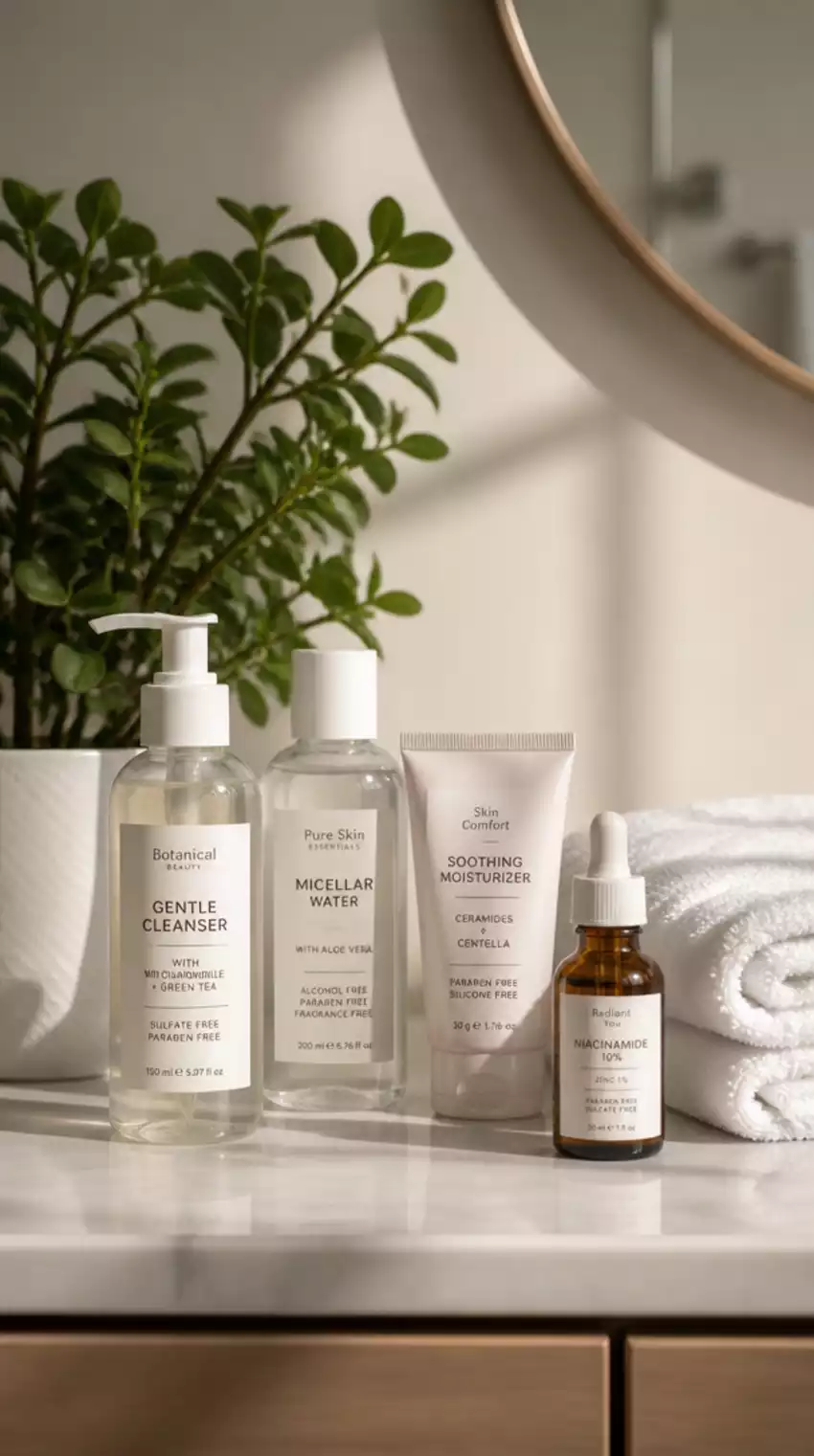
Did you know that understanding skincare ingredients can drastically change the health of your skin? In the humid Philippine climate, making informed choices about products is essential for maintaining a radiant complexion. Let’s explore some key insights that can help you navigate your skincare journey!
What You Will Learn
Knowledge of skincare ingredients helps address common skin concerns like dryness and breakouts.
Recognizing potential irritants can prevent allergic reactions and skin sensitivity.
Avoiding harmful ingredients such as fragrances, sulfates, and parabens promotes healthier skin.
Choosing safer alternatives, like organic oils and natural fragrances, enhances skin health.
Researching local brands that prioritize ingredient safety supports community businesses.
Understanding the role of surfactants like SLS can help you select gentler cleansers.
Being mindful of artificial colors and dyes can prevent skin irritation and allergic reactions.
Skincare Ingredients: What to Avoid vs. Safe Alternatives for Filipinas
Understanding which skincare ingredients to embrace and which to avoid is crucial for healthier skin, especially in the Philippines' unique climate. Below is a comparison of common problematic ingredients and their safer counterparts.
Ingredients to Avoid
✗ Fragrance
✗ Alcohol
✗ Sulfates (e.g., SLS)
✗ Parabens
✗ Artificial Colors/Dyes
Safe Alternatives
✓ Natural Fragrances (Essential Oils)
✓ Organic Oils (Coconut, Jojoba)
✓ Gentle Surfactants (Decyl Glucoside)
✓ Natural Preservatives (Rosemary Extract)
✓ Natural Colorants (Beetroot, Turmeric)
Understanding Skincare Ingredients in the Philippines
When it comes to skincare, knowing your ingredients is crucial—especially for us Filipinas! The unique climate and lifestyle in the Philippines can influence how our skin reacts to various products. Understanding these skincare ingredients helps us make informed choices that align with our beauty needs and improve our skin health.
At ElPira Beauty, we believe that knowledge is power! With the right insights, you can navigate the exciting world of skincare and find what works best for you. Let’s dive deeper into why ingredients matter for our skin health.
Why Ingredients Matter for Filipinas' Skin Health
In our tropical climate, our skin often faces challenges like humidity, sun exposure, and pollution. This makes it essential to choose products that cater to our specific needs. Here are a few reasons why ingredient knowledge is vital for us:
Targeted Solutions: Knowing the right ingredients can help address common concerns like breakouts or dryness.
Reducing Irritation: Understanding which ingredients may irritate sensitive skin can prevent discomfort.
Enhancing Effectiveness: Using products with beneficial active ingredients can maximize results.
As beauty enthusiasts, we owe it to ourselves to explore what truly benefits our skin. After all, our skin tells our story!
Common Skin Concerns Among Filipinas: Sensitivities and Allergies
Many Filipinas experience sensitivities or allergies due to a variety of factors, including environmental changes and specific ingredients. It's important to recognize these common skin concerns:
Allergic Reactions: Some ingredients, like fragrances or certain preservatives, can trigger allergic responses.
Skin Sensitivity: Products with harsh chemicals may cause irritation and redness.
Acne and Breakouts: Many of us struggle with acne, often exacerbated by certain skincare products.
By being aware of these issues, we can better select products that align with our skin's unique needs. Remember, every ingredient plays a role in how your skin feels and looks!
By avoiding these ingredients, we can pave the way for healthier, happier skin. Ready to learn more about why these ingredients are a no-go? Let’s dive in!
We Want to Hear From You!
What is your biggest skincare concern? Share your thoughts below:
Frequently Asked Questions
Understanding skincare ingredients is crucial for Filipinas due to the unique tropical climate and lifestyle. It helps in making informed choices that address specific concerns like humidity, sun exposure, and pollution, leading to healthier and more radiant skin.
Common problematic ingredients to avoid include fragrances, alcohol, sulfates (like SLS), parabens, and phthalates. These can often lead to irritation, dryness, allergic reactions, or other adverse skin conditions.
Safer alternatives include natural fragrances (like essential oils), organic oils (such as coconut or jojoba oil), gentle surfactants (like Decyl Glucoside or Cocamidopropyl Betaine), natural preservatives (such as rosemary extract), and natural colorants (like beetroot or turmeric).
To find trustworthy local brands, research their values for transparency in ingredient sourcing, check for certifications like Halal or Organic, and seek recommendations from friends or local beauty communities. Supporting local brands not only boosts the economy but also provides access to products tailored for Filipinas' skin needs.
Artificial colors and dyes, while visually appealing, can often cause allergic reactions or irritation. It's best to read labels carefully, opt for products with natural colorants, and perform a patch test when trying new products with synthetic dyes.
Making Informed Skincare Choices
When it comes to skincare, knowledge is power! Making informed choices means understanding what’s in the products we use and how they affect our skin. At ElPira Beauty, I always advocate for safe alternatives to problematic ingredients, and I’m excited to share some effective options with you!
There’s a growing demand for safer skincare options, and thankfully, many brands are stepping up! If you’re concerned about common irritants, consider these alternatives:
Organic Oils: Opt for coconut oil or jojoba oil, which provide hydration without clogging pores.
Natural Fragrances: Look for products scented with essential oils like lavender or chamomile for a soothing experience.
Gentle Preservatives: Seek out brands using natural preservatives like rosemary extract instead of parabens.
These options not only promote healthier skin but also align with our mission at ElPira Beauty to support local brands that prioritize safety and sustainability!
How to Find Local Brands that Prioritize Safety
With so many choices available, discovering local brands committed to safe ingredients can feel overwhelming. Here are my tips to help you find trustworthy options:
Research Brand Values: Look for brands that emphasize transparency in their ingredient sourcing and formulation processes.
Check Certifications: Brands that have certifications like Halal or Organic often prioritize safety.
Seek Recommendations: Don’t hesitate to ask friends or join local beauty communities for personal recommendations!
By supporting local brands, you not only boost our community's economy but also gain access to products specifically designed for the unique skincare needs of Filipinas!
Understanding the Role of Sodium Lauryl Sulfate (SLS) and Other Surfactants
Surfactants like Sodium Lauryl Sulfate (SLS) are common in many cleansers because they effectively remove dirt and oil. However, they can also strip away the natural oils from your skin, leading to dryness and irritation. It's essential to choose products that use gentle surfactants instead. Here’s what to look for:
Decyl Glucoside: A mild plant-derived surfactant that's safe for sensitive skin.
Cocamidopropyl Betaine: A gentle surfactant derived from coconut oil that helps to cleanse without irritation.
Glyceryl Oleate: A natural emulsifier that hydrates while cleansing.
Understanding these differences can be the key to maintaining a healthy skincare routine that feels good on your skin!
Recognizing the Impact of Artificial Colors and Dyes on Skin Health
Let’s not forget about those vibrant colors in skincare products! While they might look appealing, artificial colors and dyes can often cause allergic reactions or irritation. Here’s how to stay safe:
Read Labels Carefully: Look for products that use natural colorants like beetroot or turmeric instead of synthetic dyes.
Patch Test: Whenever trying a new product, do a patch test to see how your skin reacts before applying it to your entire face.
Choose Minimalist Formulas: Brands that focus on fewer ingredients are often safer and gentler on your skin.
By being mindful of what you put on your skin, you’re taking a giant step towards your self-care journey!
Recap of Key Points
Here is a quick recap of the important points discussed in the article:
Understand Your Skin Needs: Knowing your skin type and concerns can help you choose the right ingredients.
Avoid Common Irritants: Steer clear of harmful ingredients like fragrances, alcohol, and sulfates to promote healthier skin.
Seek Safe Alternatives: Opt for natural ingredients such as organic oils and gentle preservatives for better skin health.
Research Local Brands: Support brands that prioritize safety and transparency in their ingredient sourcing.
Read Labels Carefully: Always check product labels for artificial colors and dyes that may irritate the skin.