
Skincare Ingredients to Avoid in Philippines
By Lia Santos / Nov 03
In the dynamic world of hair care, understanding the nuances between different brushing techniques can transform your daily routine. With the right knowledge, you can enhance your hair's health and vitality, tailoring your approach to suit your unique needs.
Understanding the fundamental differences and impacts of brushing wet versus dry hair is crucial for maintaining hair health. The visual below summarizes key considerations for each method.
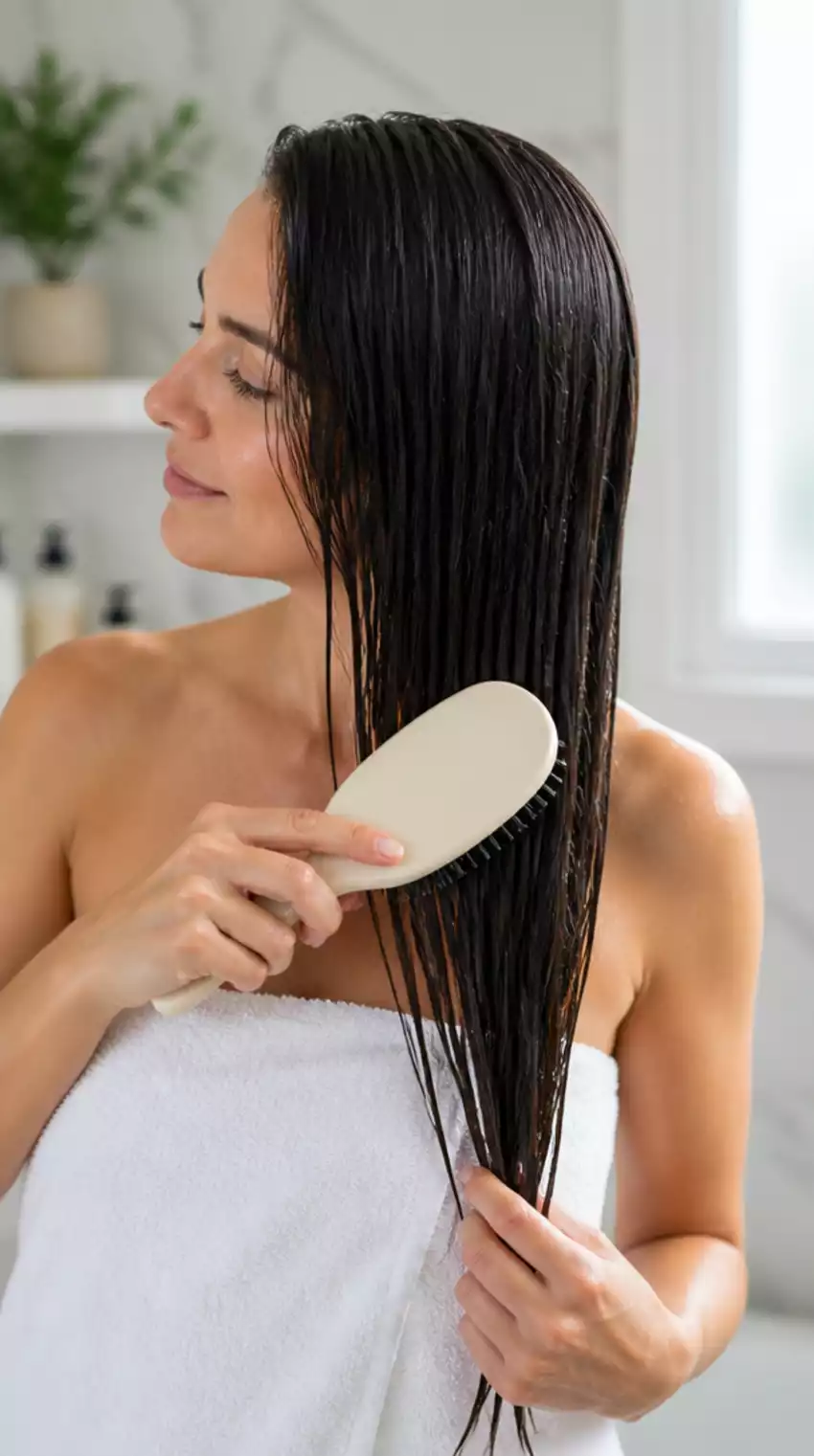
When wet, the hair cuticle is raised, making it significantly more vulnerable to damage. This delicate state increases the risk of breakage and split ends during brushing.
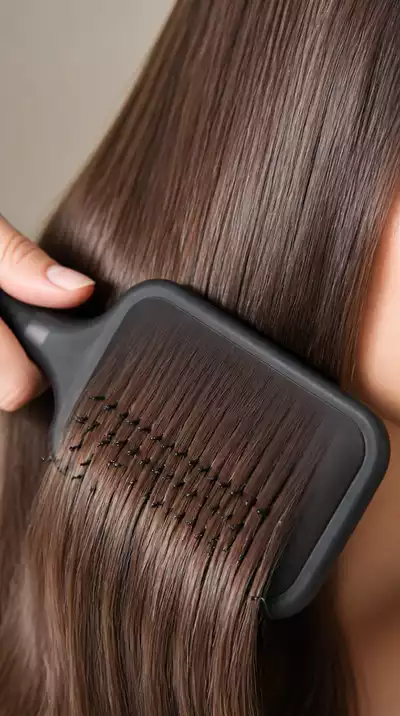
Dry hair, with its cuticles flattened, is less prone to immediate breakage but can still suffer damage from aggressive brushing, leading to static and frizz.
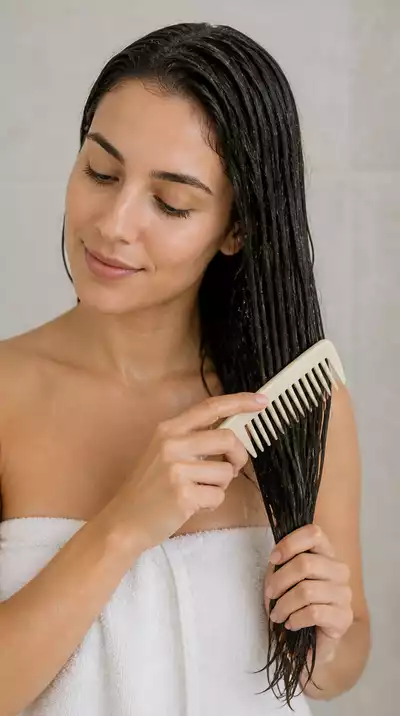
Best for: Curly & Coily Hair (with conditioner), detangling with wide-tooth comb.
Best for: Straight & Wavy Hair, styling with paddle brush.
Let’s dive into a topic that sparks many conversations in the beauty community: brushing wet hair versus dry hair. This debate is more than just a matter of preference; it impacts the health and appearance of your locks. As a beauty enthusiast, I often get asked which method is best, so I’m here to break it down and help you make informed choices for your hair type!
When we talk about brushing wet hair, we mean the act of detangling or styling hair that is still damp after washing. On the other hand, brushing dry hair refers to managing your hair once it has completely dried. Each method has its advocates, but the important thing is understanding how these practices affect your hair's health.
To set the stage for our discussion, let’s clarify what we mean by wet and dry brushing. Wet brushing involves using a tool on hair that hasn’t fully dried, while dry brushing occurs when the hair is completely dry. In the Philippines, where humidity can be a challenge, many women face unique situations with their hair care routines, making it essential to know the differences!
Understanding these terms helps us evaluate which method might be suitable for your unique hair needs. Both approaches have their pros and cons, and I’ll guide you through each!
Did you know that wet hair is significantly more fragile than dry hair? It's true! The cuticle, which is the outer layer protecting our strands, is raised when hair is wet, making it more vulnerable to damage. For many of us, especially with the tropical climate in the Philippines, this can be crucial information as we navigate our hair care routines.
When brushing wet hair, it's vital to use gentle techniques and tools designed for detangling. If you're a fan of our locally sourced beauty products, consider investing in a good wet brush that minimizes breakage by gliding through knots without pulling.
So, how does each method impact our hair health? Let’s simplify this! When you brush your hair while it’s wet, the risk of breakage increases significantly due to its delicate state. However, brushing dry hair can also lead to issues if you’re not careful. It's about striking a balance!
As we explore these practices and their effects, remember that your hair's health is intricately tied to how you handle it—whether you’re brushing wet or dry!
When brushing wet hair, always start at the ends and work your way up. This technique minimizes breakage and helps prevent pulling on the roots, ensuring a smoother detangling process. Additionally, using a leave-in conditioner or a detangling spray can provide extra slip, making it easier to glide through knots without damaging your hair.
As we wrap up our discussion on hair brushing, it's essential to remember that the best practices can vary significantly based on your hair type. Each choice you make—from when to brush to the tools you use—plays a crucial role in maintaining the health and vibrancy of your hair. Let's summarize some key insights!
Understanding the differences between wet and dry brushing can transform your hair care routine. Here are some tailored recommendations:
These best practices help tailor your routine to the unique needs of your hair, ensuring a healthier, more vibrant look. Remember, every strand deserves a little extra care!
Incorporating these insights into your hair care regimen can lead to significant improvements. Think of your hair as a reflection of your unique beauty journey. As a beauty enthusiast at ElPira Beauty, I believe that understanding your hair's specific needs is empowering. When you know what your hair craves, you can curate a routine that works best for you!
Don’t hesitate to experiment and adjust your techniques as needed. Your hair can be resilient and beautiful with the right approach, so embrace the exploration!
At ElPira Beauty, we value the stories and experiences of our community members. Sharing your hair care journey not only enriches our collective knowledge but also fosters a supportive environment where everyone can learn and grow.
I invite you to share your personal hair care stories and tips! What works for you might inspire someone else on their journey. Whether it's a favorite product, a unique technique, or a family remedy, every contribution counts!
Stay connected to ElPira Beauty for the latest tips and tricks in the world of beauty. By subscribing to our newsletter, you'll receive updates and exclusive content tailored to your beauty needs. Join us in celebrating beauty and self-care—because you deserve it!
Have you tried any DIY treatments that transformed your hair? I’d love to hear about your experiences! From natural masks to homemade oils, sharing these ideas can help us all discover new ways to care for our hair. Let’s keep the conversation going and learn from each other!
Here is a quick recap of the important points discussed in the article:
By Lia Santos / Nov 03
By Elpira Beauty / Nov 01
By Elpira Beauty / Nov 01