In a world where hair is often subjected to environmental stressors, the importance of gentle detangling cannot be overstated. How well do you know your hair's needs? By mastering the art of detangling, you can ensure your locks remain healthy and vibrant.
What You Will Learn
Gentle detangling prevents knots and tangles, reducing hair breakage.
Distributing scalp oils during detangling promotes hydration and shine.
Different hair types require tailored detangling techniques for optimal health.
Common causes of hair breakage during detangling include using harsh tools and detangling dry hair.
Post-detangling care is crucial; deep conditioning and protein treatments can strengthen hair.
Understanding how often to detangle based on hair type influences overall hair health.
Moisturizing products are vital for maintaining hair health, especially in humid climates.
Hair Detangling Guide: Types, Frequency, and Care
Understanding your hair type and tailoring your detangling and care routine is key to preventing breakage and maintaining healthy, vibrant hair. Below is a guide to best practices.
Hair Types & Detangling Needs
•
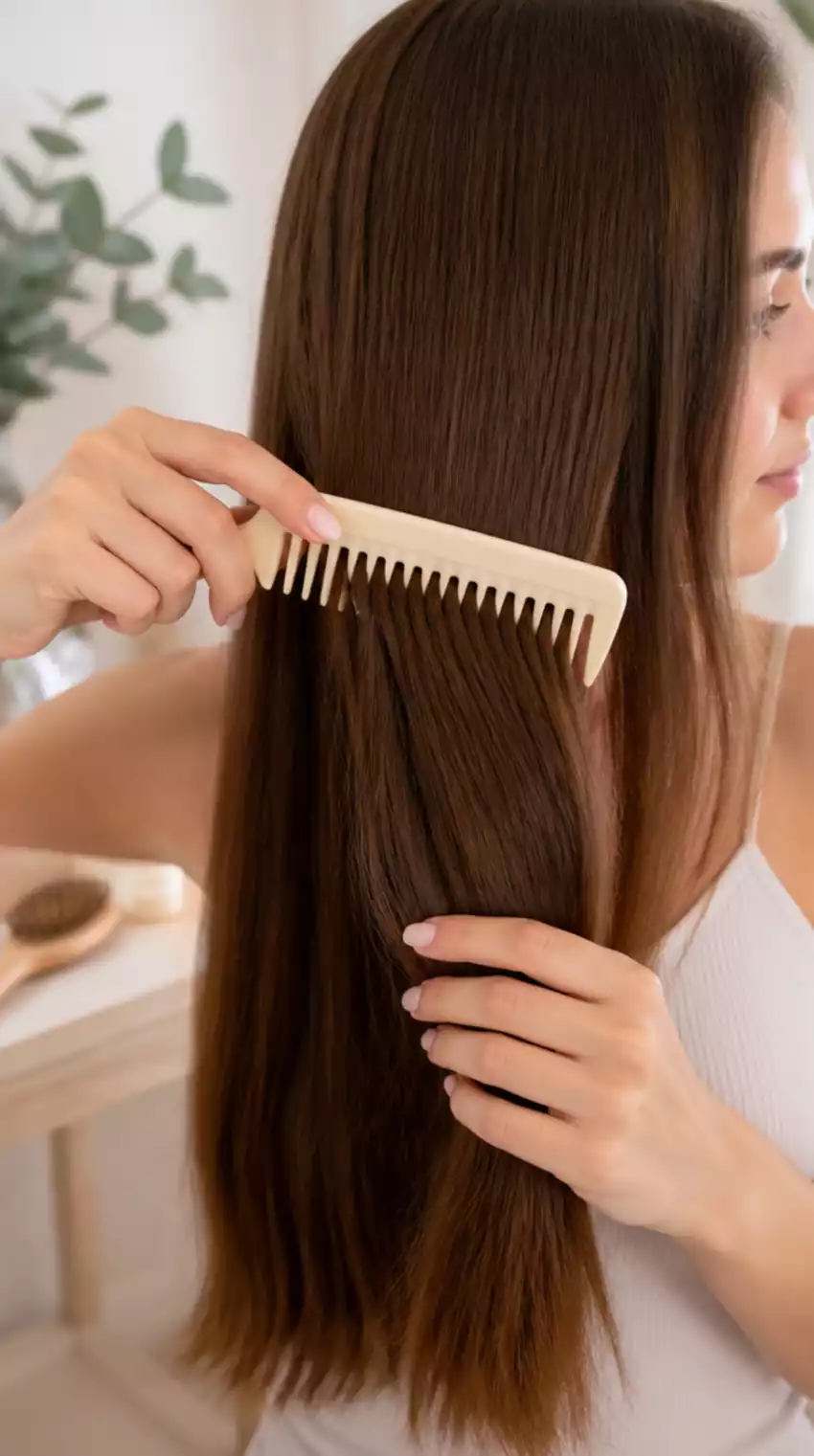
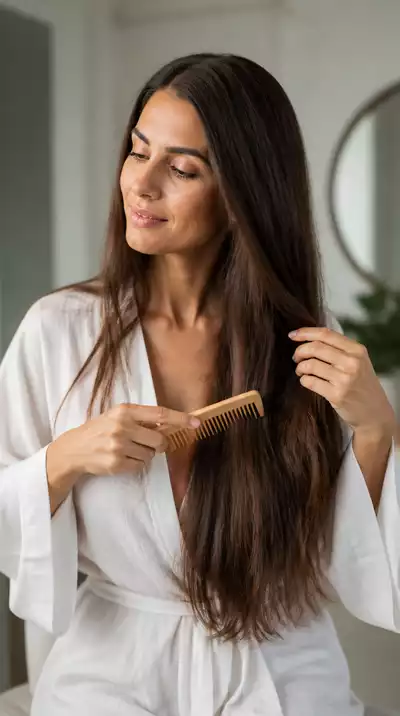
Straight Hair: Tangles less, detangle gently to prevent breakage.
•
Wavy Hair: Requires attention to avoid frizz, maintain definition.
•
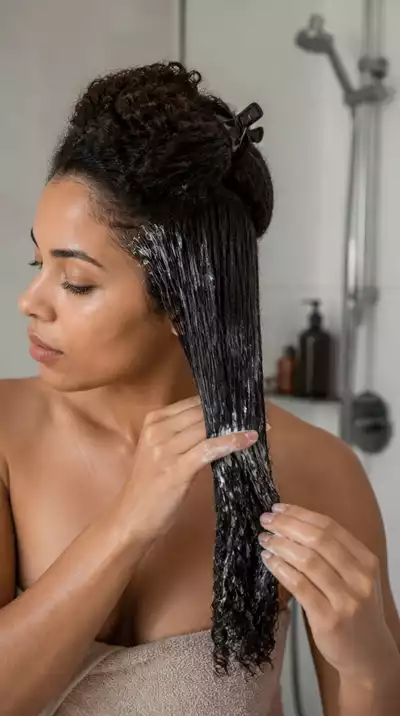
Curly/Coily Hair: Detangle wet with ample conditioner.
Detangling Frequency Guide
•
Curly Hair: Every 2-3 days to reduce frizz.
•
Wavy Hair: Once a week (varies by product use).
•
Straight Hair: Every 5-7 days, check for knots.
•
Coily Hair: Every 3-5 days to manage moisture.
Strengthening Post-Detangling
•
Deep Condition: Weekly treatments.
•
Protein Treatment: For breakage repair.
•
Limit Heat: Use heat protectant if styling.
•
Stay Hydrated: Drink water for internal hydration.
Role of Moisturizing Products
•
Hydration: Prevents dryness and breakage.
•
Softness: Improves hair texture and manageability.
•
Tame Frizz: Controls frizz, especially in humidity.
Understanding Hair Damage: The Importance of Gentle Detangling
When it comes to maintaining our beautiful locks, understanding the significance of gentle detangling is crucial. Detangling might seem like a simple task, but it plays an essential role in keeping our hair healthy and vibrant. For many of us, especially in the humid Philippine climate, hair can easily become tangled due to environmental factors. That's why knowing how to detangle correctly can save you from unnecessary breakage and damage!
In this section, I’ll share insights on why detangling is necessary for healthy hair, the common causes of breakage during this process, and how different hair types influence detangling techniques. Let’s dive in!
Why Detangling is Essential for Healthy Hair
Detangling is not just about making your hair look neat; it's about ensuring its overall health. Regular detangling helps to:
Prevent knots and tangles that can lead to breakage.
Distribute natural oils from the scalp throughout your hair, promoting shine and hydration.
Remove dirt and product buildup that can weigh your hair down.
By incorporating a gentle detangling routine, you can keep your hair looking its best while minimizing damage over time. Remember, the key here is to be gentle and patient!
Common Causes of Hair Breakage During Detangling
Even with the best intentions, hair can suffer damage during detangling if we’re not careful. Here are some common causes of hair breakage:
Using the wrong tools that are too harsh on the hair.
Detangling hair when it’s dry and brittle.
Rushing through the process instead of taking your time.
It's essential to be aware of these factors, as they can significantly impact the health of your hair. Understanding what causes breakage can help you make informed choices when it comes to detangling!
Understanding Hair Types and Their Impact on Detangling
Just like our skin, our hair comes in various types, and each one has its specific needs during detangling. Some hair types, like curly or coily, are more prone to tangling and may require different approaches compared to straight or wavy hair. Here’s a quick overview:
Straight Hair: Tends to tangle less but can still experience breakage if not detangled gently.
Wavy Hair: May require more attention to avoid frizz and maintain curl definition.
Curly/Coily Hair: Often needs special care—detangling should be done on wet hair with ample conditioner.
By recognizing your hair type, you can tailor your detangling techniques accordingly, ensuring the best care for your unique locks. Remember, at ElPira Beauty, we're here to help you navigate your hair journey with expert advice and recommendations!
Frequently Asked Questions About Hair Detangling and Care
1. Why is gentle detangling so important for hair health?
Gentle detangling is crucial because it prevents knots and tangles from forming, which can lead to significant hair breakage. It also helps distribute natural scalp oils, enhancing shine and hydration, and removes dirt and product buildup.
2. What are the main causes of hair breakage during detangling?
Hair breakage often occurs due to using inappropriate or harsh detangling tools, attempting to detangle hair when it's dry and brittle, and rushing through the detangling process instead of being patient and gentle.
3. How do different hair types affect detangling techniques?
Different hair types have varying detangling needs. Straight hair tangles less but still requires gentle care. Wavy hair needs attention to prevent frizz and maintain definition. Curly and coily hair, being more prone to tangles, usually benefits most from detangling when wet and with ample conditioner.
4. What post-detangling care steps are recommended to strengthen hair?
To strengthen hair after detangling, it's recommended to deep condition weekly, use protein treatments for breakage repair, limit heat styling (always use a heat protectant if necessary), and stay hydrated by drinking plenty of water.
5. How often should I detangle my hair based on its type?
Detangling frequency depends on hair type: curly hair every 2-3 days, wavy hair once a week (may vary), straight hair every 5-7 days (checking for knots), and coily hair every 3-5 days to manage moisture and prevent breakage.
6. What role do moisturizing products play in overall hair health?
Moisturizing products are vital for hair health as they prevent dryness and breakage by retaining hydration, improve hair texture for softness and manageability, and help control frizz, especially in humid conditions.
We Want to Hear From You!
How often do you detangle your hair, and what techniques work best for you? Share your thoughts below:
Post-Detangling Care: Repair and Maintain Healthy Hair
Once you’ve carefully detangled your hair, it’s crucial to focus on post-detangling care to ensure your locks stay healthy and vibrant. This process not only protects your hair from future damage but also helps maintain its strength and shine. Let’s dive into some important steps to follow after detangling!
Tips for Strengthening Hair After Detangling
Strengthening your hair post-detangling is essential, especially if your hair tends to be fragile. Here are some effective tips:
Deep Condition Regularly: Incorporate a deep conditioning treatment into your routine at least once a week. Look for locally sourced products that work well in the Philippine climate!
Use a Protein Treatment: Consider using a protein treatment to rebuild and strengthen the hair structure, especially if you’ve recently experienced breakage.
Limit Heat Styling: Try to minimize the use of heat styling tools. If you must use them, always apply a heat protectant spray.
Stay Hydrated: Drinking enough water helps keep your hair and scalp hydrated from the inside out.
By following these tips, you’ll create a solid foundation for your hair’s health, preventing further damage and keeping it looking fabulous!
How Often Should You Detangle Based on Your Hair Type?
Understanding how often to detangle based on your hair type can greatly influence its health. Here’s a quick guide:
Curly Hair: Detangle every 2-3 days to reduce frizz and maintain curl definition.
Wavy Hair: Once a week is often sufficient, but it can vary based on product use and moisture levels.
Straight Hair: You might only need to detangle every 5-7 days, but be attentive to knots and tangles that can form.
Coily Hair: Detangling every 3-5 days helps manage moisture and prevent breakage.
Finding the right frequency will help your hair stay manageable and reduce the risk of damage over time!
The Role of Moisturizing Products in Hair Health
Moisturizing products are a game changer for maintaining healthy hair, especially in our humid climate. Here’s why they’re essential:
Hydration: Moisturizers like creams and oils help retain hydration, preventing dryness that leads to breakage.
Softness: They improve hair texture, making your locks feel soft and manageable.
Tame Frizz: Regular use of moisturizing products can help control frizz, especially in humid conditions.
At ElPira Beauty, I highly recommend exploring natural oils, such as coconut or argan oil, which are fantastic for hydration and nourishment. Remember, a little goes a long way, so apply sparingly to avoid greasiness!
Recap of Key Points
Here is a quick recap of the important points discussed in the article:
Gentle detangling is essential for maintaining healthy hair and preventing breakage.
Common causes of hair breakage during detangling include using harsh tools and detangling dry hair.
Different hair types require tailored detangling techniques to minimize damage.
Post-detangling care, such as deep conditioning and limiting heat styling, is crucial for hair health.
Understanding how often to detangle based on hair type can help maintain manageability and reduce damage.
Moisturizing products play a vital role in keeping hair hydrated, soft, and frizz-free.