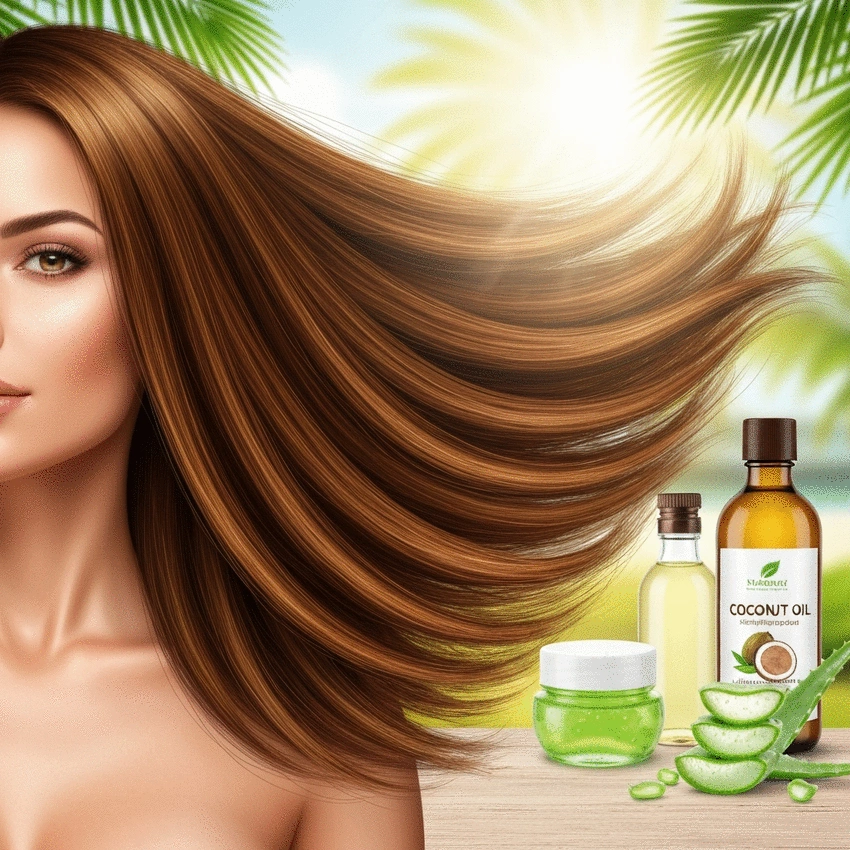
To maintain vibrant hair in the tropical climate of the Philippines, awareness of how heat and sun damage affects different hair types is essential. Here are some critical insights to protect and nurture your locks.
What You Will Learn
Different hair types react uniquely to heat and sun exposure, necessitating tailored care routines.
Early signs of damaged hair include dryness, excessive frizz, and lack of shine—monitor these to maintain hair health.
Sun protection for hair is crucial; use products with SPF and consider wearing hats during peak sun hours.
Establish realistic expectations for hair repair; improvements may take weeks to months based on damage severity.
Natural remedies, such as oil massages and herbal rinses, can significantly contribute to healthy hair maintenance.
Hair Health: Damage & Recovery Insights
The tropical Philippine climate significantly impacts hair. This visual highlights how different hair types are affected by heat and sun, common signs of damage, and the timeline for recovery with consistent care.
Hair Type Vulnerability
Curly: Dryness, FrizzStraight: Oily, LimpColor-Treated: Fade, BrittleFine: Weighed down
Signs of Damaged Hair
Dryness & brittleness
Excessive frizz & flyaways
Split ends & breakage
Lack of shine & vibrancy
Recovery Timeline
**Mild Damage:** Few Weeks for improvement
**Severe Damage:** Several Months for restoration
**Consistency:** Key to faster results
**Products:** High-quality accelerate healing
Understanding Heat and Sun Damage to Hair in the Philippines
As a beauty enthusiast and advocate for self-care, I’ve seen firsthand how the Philippine climate can affect our hair. With the sun blazing down and humidity levels soaring, our lovely locks are at risk of damage. Understanding how heat and sun exposure impacts different hair types is crucial for maintaining healthy, vibrant hair. Here’s a closer look!
How Heat and Sun Exposure Affects Different Hair Types
Just like our skin, our hair reacts differently to heat and sunlight based on its type and condition. For example, curly hair often struggles with dryness and frizz, while straight hair might become limp and greasy under high temperatures. Here’s how various hair types can be affected:
Curly Hair: Prone to dryness, curls can become fragile and lose definition when exposed to heat.
Straight Hair: Can get oily quickly, leading to limpness if sweat mixes with hair products.
Color-Treated Hair: May fade or become brittle, as the sun can strip away color and moisture.
Fine Hair: Can be weighed down or become limp when exposed to humidity and heat.
Recognizing these differences helps us tailor our hair care routines. Remember, your hair’s health is a reflection of how well you adapt to your environment!
Identifying the Signs of Damaged Hair
Have you ever run your fingers through your hair and felt something off? Identifying the signs of damaged hair early can save you from more extensive issues down the line. Some common indicators include:
Dryness and brittleness
Excessive frizz and flyaways
Split ends and breakage
Lack of shine and vibrancy
Pay attention to these signs, especially as we navigate the tropical climate. It’s all about being proactive to keep our hair looking its best!
Understanding the Role of Sun Protection in Hair Health
Just as we apply sunscreen on our skin, our hair needs protection from harmful UV rays too! Sun protection plays a vital role in maintaining hair health. UV rays can cause the cuticle layer to break down, leading to dryness and color fading. Research on hair damage, such as studies found on PubMed, consistently highlights the importance of protecting hair from environmental stressors like UV radiation. Here are some effective ways to protect your hair:
Use hair products containing SPF or UV filters.
Wear hats or scarves to shield your hair during peak sun hours.
Avoid chemical treatments in the sun to minimize damage.
Hydrate your hair regularly with conditioning treatments.
Incorporating sun protection into your hair care routine is essential, especially here in the Philippines where the sun is our constant companion. Let’s keep those locks healthy and beautiful!
Interactive Poll: Your Hair Care Journey!
How do you currently protect your hair from the heat and sun in the Philippines? We’d love to hear your thoughts!
Realistic Expectations and Maintenance for Healthy Hair
When it comes to repairing heat-damaged hair, it's important to have realistic expectations. Many of us want instant results, but hair care is a journey that requires time and patience. Depending on the extent of damage, you might start to see improvements in your hair’s health within a few weeks. However, for more severe damage, it could take several months of consistent care to truly restore your locks.
Typically, you can expect to notice some changes in texture and shine after implementing a routine that includes nourishing products and treatments. It's also crucial to remember that maintaining healthy hair is an ongoing process, especially in the humid Philippine climate!
Severity of Damage: Mild damage might show improvement in a few weeks, while severe damage could take months.
Consistency: Sticking to your hair care routine daily is key. The more consistent you are, the faster you’ll see results!
Products Used: Using high-quality products designed for your hair type will accelerate the healing process.
After following a proper routine, you might find your hair feeling softer and looking shinier within just a few weeks. Don’t get discouraged if it takes longer—your hair deserves the time and care!
When to Consider Professional Help for Severe Damage
Sometimes, despite our best efforts, we may need a little extra help. For instance, if you're experiencing significant hair breakage that doesn't improve with at-home care, a stylist can provide specialized treatments. Educational platforms like Campus.edu's blog on cosmetology often recommend professional intervention for severe damage. Here are signs that it might be time to seek professional assistance:
Significant Hair Breakage: If you notice excessive breakage and split ends that don’t improve with at-home care, a stylist can provide specialized treatments.
Severe Dryness and Texture Changes: If your hair feels straw-like or appears lifeless, professional deep conditioning treatments might be necessary.
Scalp Issues: If you’re experiencing itching or flaking, it’s best to consult a dermatologist or a hair care specialist.
Remember, seeking help is not a sign of failure but an important step towards restoring your hair’s health!
Building a Consistent Hair Care Routine with Natural Remedies
At ElPira Beauty, I believe in the power of natural remedies for maintaining healthy hair. Here’s how you can integrate these into your routine:
Regular Oil Massages: Incorporate coconut or olive oil massages weekly to nourish your scalp and strengthen your hair.
Use Aloe Vera: This natural ingredient can help hydrate and soothe your scalp. Applying fresh aloe vera gel can be a great addition to your routine!
Herbal Rinses: Consider rinsing your hair with green tea or chamomile to enhance shine and promote growth.
Consistency is key! By building a routine that includes these natural treatments, you can nurture your hair and keep it looking its best, even in the heat and humidity.
Frequently Asked Questions About Hair Health in the Philippines
Q: How does the Philippine climate specifically affect different hair types?
A: The tropical Philippine climate, with its high heat and humidity, affects hair differently. Curly hair is prone to dryness and frizz, straight hair can become oily and limp, color-treated hair may fade and become brittle, and fine hair can be weighed down.
Q: What are the early signs of damaged hair I should look out for?
A: Early signs of damaged hair include dryness, brittleness, excessive frizz, flyaways, split ends, breakage, and a noticeable lack of shine and vibrancy.
Q: Why is sun protection important for hair, and what are some effective methods?
A: Sun protection is crucial because UV rays can break down the hair's cuticle layer, leading to dryness and color fading. Effective methods include using hair products with SPF or UV filters, wearing hats or scarves during peak sun hours, avoiding chemical treatments in direct sun, and regularly hydrating hair with conditioning treatments.
Q: How long does it typically take to repair damaged hair?
A: The recovery timeline varies based on the severity of the damage. Mild damage may show improvement in a few weeks, while severe damage could take several months of consistent care to restore. Consistency in your hair care routine and using high-quality products are key to faster results.
Q: When should I consider seeking professional help for hair damage?
A: You should consider professional help if you experience significant hair breakage and split ends that don't improve with at-home care, severe dryness or straw-like texture, or persistent scalp issues like itching or flaking. A stylist or dermatologist can provide specialized treatments and advice.
Q: What natural remedies can I incorporate into my hair care routine?
A: Natural remedies that can significantly contribute to healthy hair maintenance include regular weekly oil massages (using coconut or olive oil), applying fresh aloe vera gel to hydrate and soothe the scalp, and using herbal rinses such as green tea or chamomile to enhance shine and promote growth.
Recap of Key Points
Here is a quick recap of the important points discussed in the article:
Understand Hair Type Vulnerabilities: Different hair types react uniquely to heat and sun; curly hair often faces dryness, while color-treated hair may fade.
Identify Damage Early: Look for signs of damaged hair such as brittleness, excessive frizz, and lack of shine to address issues promptly.
Implement Sun Protection: Use hair products with SPF, wear protective headgear, and hydrate your hair regularly to prevent sun damage.
Manage Expectations: Hair repair is a gradual process; consistent care is essential for visible improvements in texture and shine.
Seek Professional Help When Needed: If experiencing significant breakage or scalp issues, consulting a professional stylist or dermatologist is advisable.
Incorporate Natural Remedies: Regular oil massages, aloe vera applications, and herbal rinses can enhance hair health and resilience.