
Tips to Prevent Split Ends

Tips to Prevent Split Ends

What if you could easily prevent split ends and keep your hair looking vibrant and healthy? By understanding their causes and integrating effective hair care practices, you can transform your hair's health!

What You Will Learn

  • Split ends occur due to weak hair structure, lack of moisture, and excessive styling.
  • Heat damage from styling tools is a leading cause of split ends; use them sparingly and at lower temperatures.
  • Environmental factors like UV exposure and humidity can weaken hair and increase the risk of split ends.
  • Adopting gentle hair care techniques, such as using wide-tooth combs and microfiber towels, can help prevent damage.
  • Regular trims every 6-8 weeks are essential to remove split ends and maintain healthy hair.
  • Choosing the right products based on your hair type and incorporating deep conditioning treatments can improve hair health.

Factors Contributing to Split Ends

Understanding the primary factors that lead to split ends can help prevent them. These are categorized into heat damage, environmental factors, and mechanical stress.

Three Main Causes of Split Ends

1. Heat Damage from Styling Tools
  • Use heat tools sparingly
  • Opt for lower temperature settings
  • Incorporate heat protectant sprays
2. Environmental Factors (UV & Humidity)
  • Wear hats or scarves under the sun
  • Use products with UV filters
  • Stay hydrated to maintain hair moisture
3. Mechanical Stress (Brushing & Drying)
  • Use wide-tooth combs for detangling
  • Opt for microfiber towels or old T-shirts
  • Be gentle when brushing; start from ends
4. Hair Structure & Porosity
  • Fine hair susceptible to breakage
  • Tailor care to hair type
  • Porosity affects product penetration

Understanding Split Ends and Their Causes

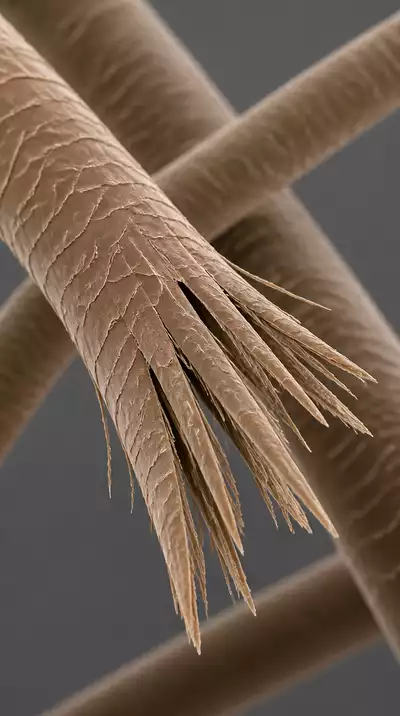
Split ends are more than just a common hair issue; they can be a source of frustration for many of us! When the protective outer layer of your hair, called the cuticle, becomes damaged, it leads to the hair shaft splitting at the ends. This can result in frayed, brittle hair that not only looks unkempt but also feels dry and unhealthy. Understanding what causes split ends can empower you to take better care of your locks!

So, why do split ends occur? Various factors contribute to this hair health concern, often leading to the need for frequent trims. It’s essential to recognize these causes so we can prevent them and keep our hair looking vibrant and strong. Let’s dive into some of the main culprits behind split ends.

Close-up of hair strands with visible split ends under a microscope, showing damaged cuticles, no text, no words, no typography, clean image

What Are Split Ends and Why Do They Occur?

In essence, split ends occur when the hair becomes weak and frayed at the tips. This can happen due to both internal and external factors that compromise the hair's integrity. When hair lacks moisture or is subjected to excessive stress, the cuticle can break down, leading to those pesky splits. Understanding the *why* is just as important as the *how* in maintaining healthy hair.

  • Weak hair structure
  • Insufficient hydration
  • Excessive styling and manipulation

Now that we've identified what split ends are and why they happen, let's explore some specific factors that contribute to this challenging hair issue!

Factors Contributing to Split Ends

Many elements can contribute to the formation of split ends, and recognizing them is vital to prevention. Below, we’ll discuss some of the most common factors that impact our hair health in the humid Philippine climate.

Heat Damage from Styling Tools

One of the leading causes of split ends is heat damage from styling tools like blow dryers, straighteners, and curling irons. These devices can strip moisture from your hair, leading to brittleness and splits. It's crucial to be mindful of the heat settings and duration of use when styling your hair.

  • Use heat tools sparingly
  • Opt for lower temperature settings
  • Incorporate heat protectant sprays

Environmental Factors: UV Exposure and Humidity

The environment plays a significant role in our hair's health. Prolonged exposure to UV rays can weaken hair, making it prone to split ends. Additionally, the humidity in the Philippines can lead to frizz and tangling, which increases manipulation and wear on hair strands.

Here are some ways to protect your hair from environmental stressors:

  • Wear hats or scarves under the sun
  • Use products with UV filters
  • Stay hydrated to maintain hair moisture

Mechanical Stress: Brushing and Towel Drying

Did you know that your daily hair care routine might be contributing to split ends? Frequent brushing, especially when hair is wet, can cause significant mechanical stress. Similarly, rough towel drying can lead to fraying. It's essential to treat your hair gently during these processes.

  • Use wide-tooth combs for detangling
  • Opt for microfiber towels or old T-shirts to dry
  • Be gentle when brushing, starting from the ends

How Hair Structure Affects Split Ends

Finally, let’s not forget that the structure of your hair itself can predispose you to split ends. Factors like hair type and porosity can influence how easily your hair can withstand damage. For instance, finer hair may be more susceptible to breaking than coarser strands.

Understanding your hair's unique characteristics can help you tailor care strategies that minimize the risk of split ends. Remember, every hair type has its own set of needs!

We Want to Hear From You!

What do you think about your current hair care routine? Are you incorporating any unique tips or products to prevent split ends? Share your thoughts below:

Summarizing Effective Split Ends Prevention

As we’ve explored, preventing split ends is all about incorporating the right practices into your hair care routine! Here’s a quick recap of the key strategies that can help maintain your hair's health and keep those pesky split ends at bay:

  • Regular Trimming: It’s essential to keep your hair trimmed every 6-8 weeks to remove any split ends before they travel up the hair shaft.
  • Minimize Heat Styling: Use tools sparingly and always apply heat protectant products before styling.
  • Gentle Hair Care Techniques: Be kind to your hair by using wide-toothed combs and detangling products.
  • Choose Nourishing Products: Opt for conditioners and masks that cater to your hair type, providing the moisture and care it needs.

Remember that each hair type may require slightly different approaches to keep it looking fabulous! Tailor your routine to what works best for you.

Adapting Your Routine According to Hair Type and Porosity

Understanding your hair type and porosity is a game-changer when it comes to effective care. For instance, if you have fine hair, you might opt for lighter products that won’t weigh your hair down, while those with thicker, coarser hair may benefit from richer formulations. Here’s a quick guide:

  • Fine Hair: Use volumizing shampoos and lightweight conditioners.
  • Medium Hair: A balanced approach with regular conditioners will do wonders.
  • Thick Hair: Look for heavy creams and deep conditioners to hydrate!

Assessing your hair’s porosity will also help guide your product choices! Low porosity hair often needs heat to help products penetrate, while high porosity hair benefits from sealing in moisture with oils.

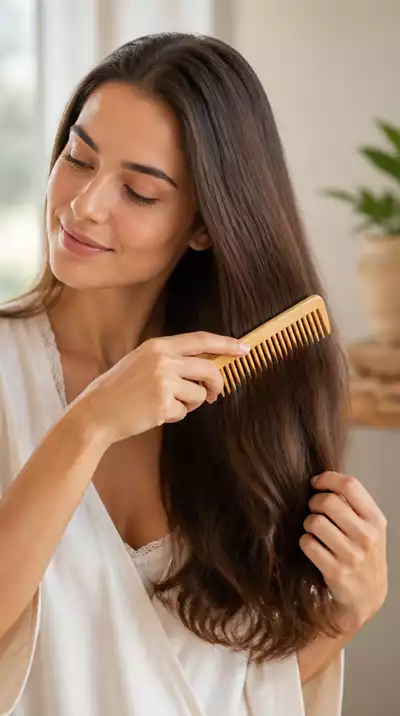
A woman gently brushing her long, healthy hair with a wide-tooth comb, natural lighting, soft focus background, no text, no words, no typography, clean image

Taking Action for Healthier Hair

Choose the Right Products for Your Hair Journey

Your hair deserves the best, and choosing the right products is a significant step toward achieving that healthy shine! At ElPira Beauty, we’re all about empowering you to find locally sourced products that resonate with your hair's unique needs. Here are some tips for selecting the right products:

  • Look for Natural Ingredients: Ingredients like coconut oil and shea butter can work wonders!
  • Read Labels: Avoid sulfates and parabens for gentler, more nourishing care.
  • Do Your Research: Check reviews and recommendations from fellow beauty enthusiasts like yourself!

With the right products in your arsenal, you’re one step closer to gorgeous, healthy hair!

Integrating Deep Conditioning and Protein Treatments into Your Routine

Deep conditioning treatments are a must for keeping split ends at bay! They provide that extra boost of moisture and nourishment. I recommend incorporating a deep conditioning routine once a week. Here’s how to do it:

  1. Shampoo your hair as usual to cleanse.
  2. Apply a generous amount of deep conditioner from mid-lengths to ends.
  3. Leave it in for at least 15-30 minutes (or longer if you can!).
  4. Rinse out thoroughly and follow with a cool rinse to seal the cuticle.

In addition, protein treatments can strengthen your hair and help prevent future damage. Just remember that balance is key—too much protein can lead to brittleness, while too little can result in weakness!

Frequently Asked Questions About Split Ends

Q: What are the main causes of split ends?
A: The main causes include heat damage from styling tools, environmental factors like UV exposure and humidity, mechanical stress from brushing and towel drying, and individual hair structure and porosity.
Q: How often should I trim my hair to prevent split ends?
A: Regular trims every 6-8 weeks are essential to remove split ends before they can travel up the hair shaft and cause further damage.
Q: Can heat styling tools cause split ends?
A: Yes, heat styling tools are a leading cause of split ends. It's recommended to use them sparingly, at lower temperatures, and always with a heat protectant spray.
Q: How can I protect my hair from environmental damage?
A: To protect your hair from environmental stressors like UV rays and humidity, wear hats or scarves in the sun, use products with UV filters, and stay hydrated to maintain hair moisture.
Q: What kind of products should I use to prevent split ends?
A: Choose nourishing products like conditioners and masks that suit your hair type. Look for natural ingredients, avoid sulfates and parabens, and consider incorporating deep conditioning and protein treatments into your routine.

Join the Conversation: Share Your Hair Care Tips

I want to hear from you! What are your favorite hair care tips for preventing split ends? Whether you have a go-to product or a technique that works wonders, sharing your knowledge can help others in our vibrant community at ElPira Beauty. Let’s empower each other to embrace our beauty journeys together!

Recap of Key Points

Here is a quick recap of the important points discussed in the article:

  • Regular Trimming: Keep your hair trimmed every 6-8 weeks to prevent split ends from traveling up the hair shaft.
  • Minimize Heat Styling: Use heat tools sparingly, and always apply heat protectant products before styling.
  • Gentle Hair Care Techniques: Use wide-toothed combs and detangling products to treat your hair with care.
  • Choose Nourishing Products: Select conditioners and masks that cater to your hair type, ensuring hydration and care.
  • Protect Against Environmental Factors: Wear hats in the sun and use products with UV filters to shield your hair from damage.