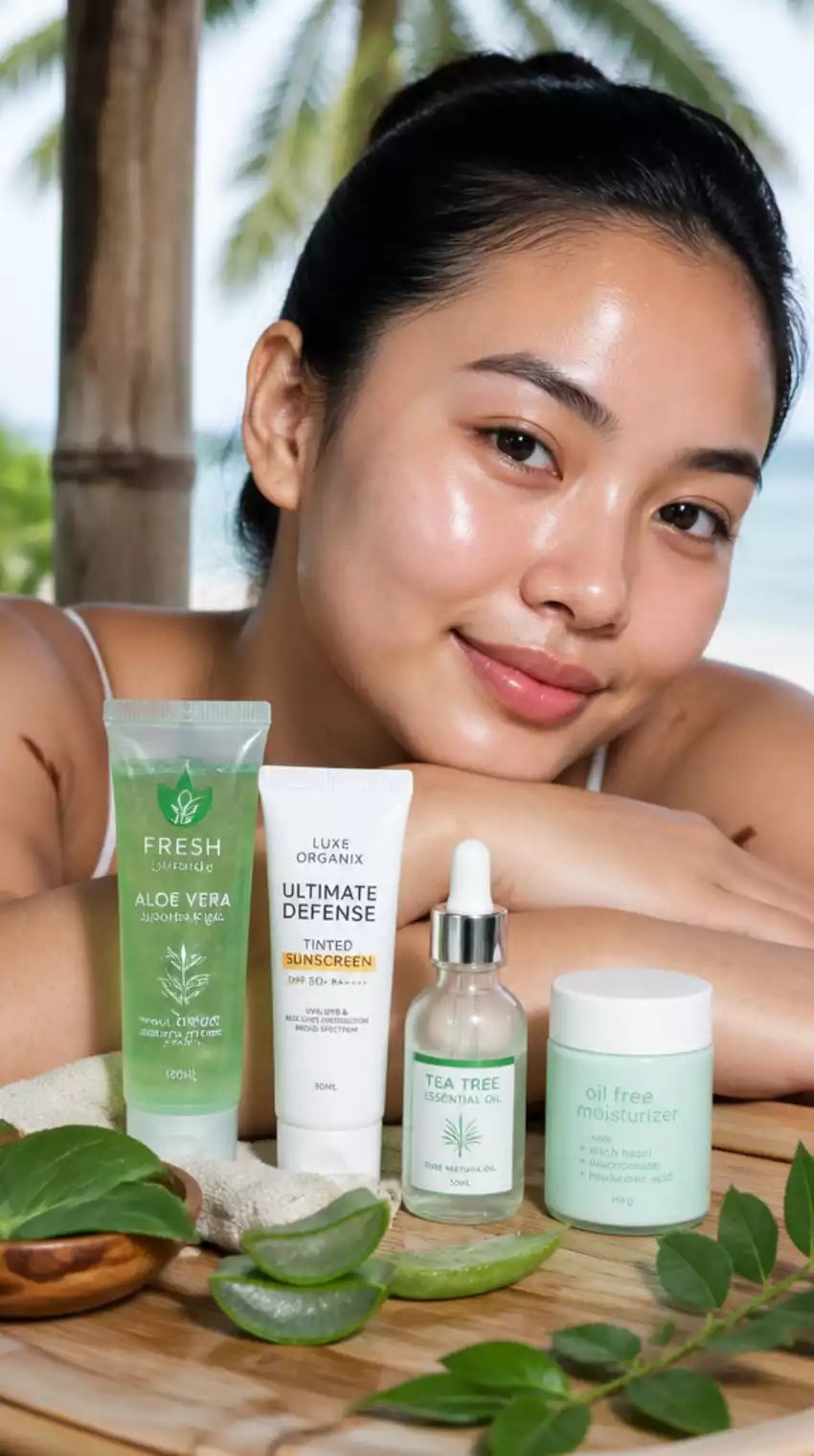

Skincare Ingredients to Avoid in Philippines
By Lia Santos / Nov 03
Have you ever wondered why oily skin seems to thrive in humid climates? For many Filipinos, the battle against excess oil can feel relentless, but understanding the root causes is the first step toward effective management. In this guide, we delve into the nuances of oily skin, especially tailored for the unique Philippine environment.
Delving into the various factors that contribute to oily skin, especially in the Philippines' unique climate, helps in crafting an effective skincare strategy.
Fluctuations during puberty, menstruation, or pregnancy significantly increase oil production, contributing to skin oiliness.
The moisture in the air causes the skin to produce more oil, leading to constant shine and potential breakouts.
Extended exposure to heat stimulates sebaceous glands, increasing sebum production and exacerbating oiliness.
Oily skin can be part of your genetic makeup if it runs in your family, influencing your skin type.
As a beauty enthusiast deeply rooted in the unique needs of Filipino women, I recognize that oily skin can be a common concern, especially in our tropical climate. Understanding what oily skin is and how it develops is the first step in managing this condition effectively. Oily skin occurs when the sebaceous glands in your skin produce excess sebum, leading to a shiny complexion and often resulting in clogged pores.
So, how does this happen? Our skin naturally produces sebum to keep it moisturized and protect it from environmental factors. However, factors like hormonal fluctuations, stress, and inadequate skincare can exacerbate this production, leading to the unwanted shine we all dread!
Oily skin can be identified by its shiny appearance, enlarged pores, and an increased likelihood of acne and blackheads. It's essential to understand that this skin type can be influenced by various internal and external factors. Common causes include:
Managing oily skin involves identifying these triggers and addressing them through a tailored skincare routine that caters to our humid climate.
Living in the Philippines means we enjoy warm and humid weather year-round. While this climate has its perks, it can be a challenge for those of us with oily skin! Here are some factors that exacerbate the condition:
Understanding these factors can help us make informed decisions about our skincare routines. With the right products, we can maintain a healthy complexion that feels fresh and balanced!
Humidity and heat play a significant role in the way our skin reacts to the environment. In tropical climates, high humidity levels mean that our skin retains moisture more easily, but unfortunately, this can trigger the sebaceous glands to produce even more oil. It's like a cycle—you sweat, your skin gets oily, and without proper care, this can lead to breakouts.
To combat this, consider incorporating lightweight, oil-free products into your skincare routine. This way, you can help keep your skin balanced without weighing it down further!
To effectively manage oily skin in a tropical climate, consider incorporating a mattifying primer into your makeup routine. This can help control shine throughout the day while providing a smooth base for your makeup. Look for products that contain silica or clay, as they absorb excess oil and keep your skin looking fresh.
As we wrap up our deep dive into managing oily skin in the Philippines, it’s essential to remember the key practices that can transform your skincare routine. Tackling oily skin requires a thoughtful approach, especially given our unique tropical climate. Let’s recap some best practices that have worked wonders for many of us!
These steps not only help in managing excess oil but also keep your skin healthy and vibrant, reflecting the beauty of our culture. Remember, every skin type is unique, so feel free to tweak these recommendations based on your personal needs and experiences.
Combating the heat and humidity of the Philippines can feel like a challenge, but with the right skincare routine, it's totally manageable! As a beauty enthusiast and advocate for self-care, I can’t stress enough the importance of listening to your skin. Always observe how your skin reacts to different products and adjust your routine accordingly.
Consider adding hydrating serums for that balance of moisture without the greasy feel. Look for products that are specially formulated for our climate, focusing on ingredients that provide hydration while still controlling shine.
Many of you have reached out with questions about oily skin, and I’m here to help! Here are some frequently asked questions to guide your journey:
Feel free to drop your questions in the comments, and let’s keep the conversation going! Sharing experiences can be incredibly empowering for all of us in the community.
Have you discovered a holy grail product that works wonders for your oily skin? I’d love to hear about it! Sharing tips and product finds can help us all navigate our skincare journeys better. Plus, connecting with fellow beauty enthusiasts can inspire new ideas and solutions!
Many of us also enjoy the benefits of natural remedies. Have you tried a DIY face mask using common ingredients like honey and tea tree oil? Here are some great ideas to consider:
Experimenting with natural ingredients can be a fun addition to your skincare routine. Just like our traditions in the Philippines, our skincare rituals should also be filled with love and care.
Here is a quick recap of the important points discussed in the article:
By Lia Santos / Nov 03
By Elpira Beauty / Nov 01
By Elpira Beauty / Nov 01