
Skincare Ingredients to Avoid in Philippines
By Lia Santos / Nov 03
Did you know that the unique climate of the Philippines can significantly affect your skin? Understanding these impacts is crucial for developing the right skincare routine. Let's explore the essential insights that will empower you to care for your skin amidst the humidity!
This visual summarizes the key skin issues faced in humid conditions, the reasons behind them, and effective adaptation strategies for robust skincare.
Living in the Philippines means embracing the beautiful yet challenging climate, especially the humidity. As a beauty enthusiast, I've seen how this weather can significantly affect our skin. Understanding the relationship between humidity and our skin types is crucial in creating effective skincare routines tailored for our unique environment.
In this section, we'll dive into how humid conditions impact our skin and explore common issues we might face, ensuring you feel empowered to take on the challenges of skin care in our tropical paradise!
First, let’s explore the science behind humidity and skin hydration. Humidity refers to the amount of moisture in the air, and when levels are high, as they often are here, it can lead to an overproduction of oil on our skin.
When the air is saturated with moisture, our skin tends to retain more water, which might sound great! However, for many, this can lead to an imbalance in natural oils. Increased moisture means our skin may also become a breeding ground for bacteria and other irritants. According to the American Academy of Dermatology, understanding how your skin reacts to humidity is key to proper care.
By understanding these effects, we can better choose products that work with our skin's needs rather than against them!
With the humidity often comes a host of skin issues that we need to be aware of. Some common problems include:
These conditions can be frustrating, but with the right knowledge and tools, we can navigate them effectively. Stay tuned for more tips on tackling these issues!
Now that we've set the stage, let’s discuss how humidity is intimately linked with acne. It's fascinating how our environment can play such a pivotal role in our skin health!
The high humidity levels in the Philippines can trigger our skin’s oil glands to go into overdrive. This is especially true for those with oily skin types, as the moisture in the air can cause them to produce more sebum—a recipe for acne!
Understanding this connection can help us make informed choices about our skincare habits.
This brings us to a lesser-known issue: fungal acne, or pityrosporum folliculitis. This condition can be particularly prevalent in humid settings, where fungi thrive. Research published in the National Center for Biotechnology Information (NCBI) highlights the environmental factors influencing skin microbiome and conditions like fungal acne.
It can cause small, itchy bumps on the skin, often mistaken for regular acne. To combat this, consider products that are antifungal and non-comedogenic, ensuring you keep your skin healthy and happy!
Finally, let's touch on other skin conditions that may flare up due to humidity. Eczema and psoriasis can be especially challenging in humid climates as the moisture can aggravate these conditions.
Now that we understand how humidity impacts our skin, we're better equipped to create effective skincare routines tailored to our needs!
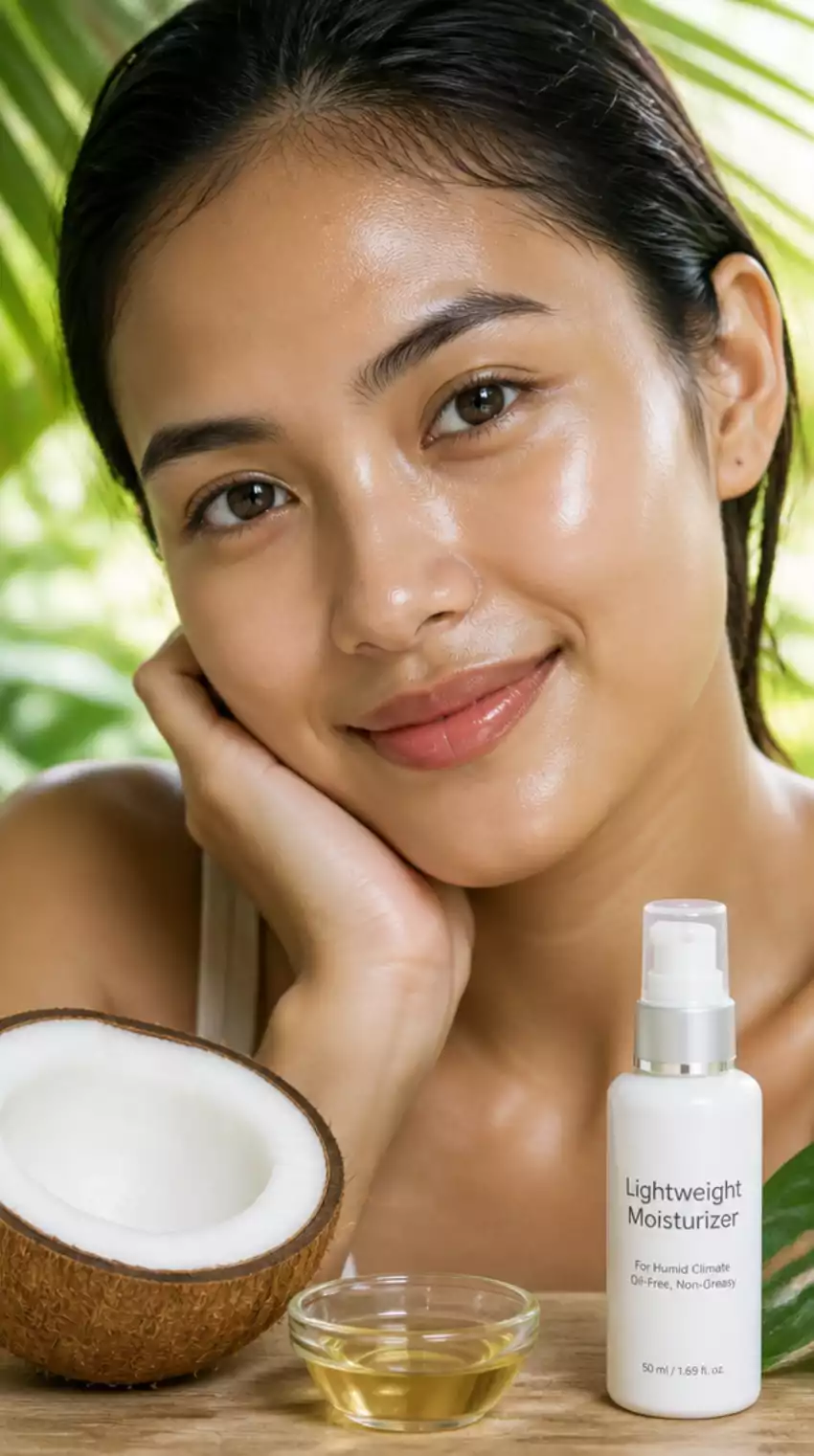
To effectively manage your skin during the humid months, consider incorporating a lightweight, oil-free moisturizer into your routine. Look for products containing gel formulations or water-based ingredients that hydrate without adding excess oil. This way, you can keep your skin balanced and shine-free even in the stickiest situations!
As we navigate the unique challenges presented by the humid climate in the Philippines, it's essential to adapt our skincare routines to meet the specific needs of our skin. By understanding how humidity impacts our skin, we can make informed choices that keep our complexion healthy and radiant. Here are the key takeaways to remember:
These strategies can help you combat the humidity while enhancing your natural beauty. Remember, finding what works for your skin might take some trial and error, and that’s perfectly okay! Your skincare journey is uniquely yours.
To achieve the best results in humid conditions, adapting your skincare routine is crucial. Start by focusing on cleansing and hydration, ensuring that you’re using products formulated for humidity. Here’s a concise guide to help you:
By tailoring your routine to your skin's needs, you can maintain a glowing complexion even in the stickiest of situations. Trust me, consistency is key!
Just like our personal lives, our skin is constantly changing and evolving. Regular skin assessments can help you understand your skin’s current state and make necessary adjustments to your routine. I recommend checking in with your skin at least once a month. Here’s how to do it:
By being proactive about your skincare, you empower yourself to make informed decisions that benefit your skin health. Remember, it’s all about listening to your skin!
I’d love to hear from you! How do you navigate the ups and downs of skincare in our humid climate? Sharing experiences can be incredibly valuable to our community of beauty enthusiasts. Let’s learn from each other’s journeys!
Feel free to drop your favorite product recommendations or personal skincare stories in the comments below! At ElPira Beauty, we believe in the power of community and shared knowledge. Your insights could be the answer to someone else's skincare dilemma!
Here is a quick recap of the important points discussed in the article:
By Lia Santos / Nov 03
By Elpira Beauty / Nov 01
By Elpira Beauty / Nov 01