What if maintaining a healthy skincare routine wasn't as simple as just applying moisturizer? Understanding the nuances between oily and dehydrated skin can transform your approach to skincare.
What You Will Learn
The key differences between oily skin and dehydrated skin, helping you identify your specific skin type.
Common causes of oily skin, including hormonal fluctuations and dietary influences.
Signs and symptoms of dehydrated oily skin that can often be overlooked.
Why hydration is essential even for oily skin and how it can help reduce excess oil production.
Effective strategies for hydrating oily skin without causing greasiness.
Myths surrounding oily skin and moisturizing that can lead to misguided skincare choices.
A practical checklist to guide you in selecting the right products for your hydration routine.
Oily vs. Dehydrated Skin: A Key Difference Comparison
Understanding the distinction between oily and dehydrated skin is crucial for effective skincare. While oily skin is characterized by excess sebum, dehydrated skin lacks moisture. This comparison highlights their core differences and shared characteristics.
Oily Skin Characteristics
•Excess sebum production
•Shiny appearance
•Enlarged pores
•Prone to acne and blackheads
•Often feels "greasy"
Dehydrated Skin Characteristics
•Lack of water/moisture
•Dull appearance
•Feeling of tightness, especially after cleansing
•Possible flakiness or dry patches
•Can still be oily (dehydrated oily skin)
Shared Needs: Why Hydration Matters for Both
•Proper hydration maintains skin balance.
•Reduces excess oil production over time.
•Improves skin texture and overall health.
•Protects against environmental stressors.
Understanding Oily and Dehydrated Skin: The Essential Difference
When it comes to skincare, understanding the difference between oily skin and dehydrated skin is crucial. Oily skin is characterized by excess sebum production, which can lead to a shiny appearance and clogged pores. On the other hand, dehydrated skin lacks moisture, making it appear dull and often causing tightness or flakiness. It's possible to have both conditions simultaneously, which can be confusing. Let’s dive into the specifics!
What is Oily Skin and What Causes It?
Oily skin is a common concern, especially in the humid climate of the Philippines. It typically occurs when the sebaceous glands produce too much oil, often due to factors like genetics, hormonal changes, or even diet. This excess oil can trap dirt and bacteria, leading to acne and other skin issues. Here are some common causes of oily skin:
Hormonal fluctuations: Changes during puberty, menstruation, or pregnancy can increase oil production.
Dietary influences: Consuming a lot of processed foods and sugars may contribute to oily skin.
Climate factors: High humidity can exacerbate oiliness, especially in tropical regions.
Understanding these factors is key to managing oily skin effectively. Remember, addressing the root cause can lead to lasting results!
Identifying Dehydrated Oily Skin: Signs and Symptoms
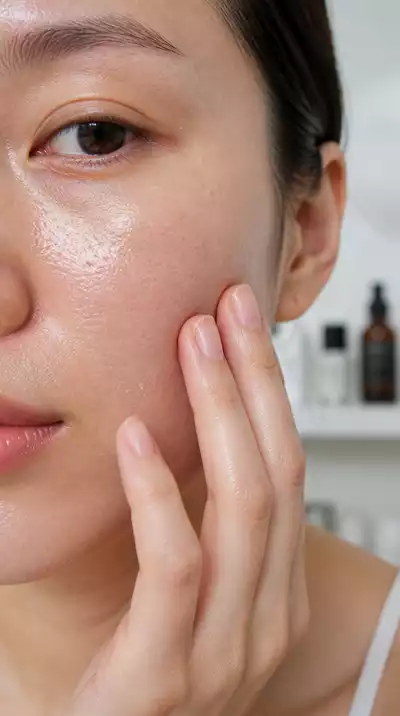
Now, let’s talk about dehydrated oily skin. You might think oily skin is always well-hydrated, but that's not the case! Dehydrated skin can still be oily due to lack of moisture. Signs include:
Tightness: Feeling of tightness, especially after cleansing.
Dullness: A lackluster appearance despite oiliness.
Flakiness: Dry patches that can occur alongside oily areas.
If you notice these symptoms, it's time to adjust your skincare routine! Keeping your skin hydrated is essential, even if it’s oily. That’s where targeted hydration comes into play!
Why Oily Skin Still Needs Hydration
Many people believe that oily skin doesn't need moisture, but this is a misconception! Hydration is vital for all skin types, including oily. Proper hydration helps maintain skin balance, which can reduce excess oil production over time.
The Importance of Moisturizing for Oily Skin
Moisturizing oily skin is not just about battling shine; it’s about keeping your skin healthy! When your skin lacks moisture, it can actually produce even more oil as a defense mechanism. This can lead to a vicious cycle that's hard to break. Here’s why a good moisturizer is crucial:
Balance: A well-hydrated complexion helps keep oil levels in check.
Protection: Moisturizers create a barrier that protects against environmental stressors.
Improved texture: Hydrated skin feels softer and appears smoother.
So don't skip that moisturizer—your oily skin will thank you for it!
Common Misconceptions About Oily Skin and Moisturizers
There are a lot of myths out there about oily skin and moisturizing. One common belief is that using any moisturizer will make your skin greasy. This isn't true! The right moisturizer can actually help control oil and provide necessary hydration. Here are a few misconceptions to debunk:
Myth 1: Oily skin doesn’t need moisturizer.
Myth 2: All moisturizers are heavy and greasy.
Myth 3: Oily skin types can’t use creams.
Arming yourself with accurate information empowers you to choose the best products for your skin type. Remember, your journey to healthy skin starts with understanding!
Pro Tip
Did you know? Incorporating products with hyaluronic acid into your skincare routine can significantly boost hydration levels without adding excess oil. This ingredient is a powerhouse for attracting moisture, making it perfect for those with oily yet dehydrated skin!
Frequently Asked Questions (FAQs)
Q: What is the main difference between oily and dehydrated skin?
A: Oily skin is characterized by excess sebum (oil) production, leading to a shiny appearance and enlarged pores. Dehydrated skin, on the other hand, lacks water/moisture, which can make it feel tight, look dull, and sometimes have flaky patches. It's possible for oily skin to also be dehydrated.
Q: Can oily skin be dehydrated at the same time?
A: Yes, absolutely. This is a common misconception. Oily skin produces excess oil, but it can still lack water. This combination, known as dehydrated oily skin, often presents with both shine and a feeling of tightness or flakiness.
Q: Why is hydration important for oily skin?
A: Hydration is crucial for oily skin because when the skin lacks moisture, it can overcompensate by producing even more oil to protect itself. Proper hydration helps to maintain the skin's natural balance, which can actually reduce excess oil production over time and improve overall skin health.
Q: What ingredients should I look for in products for oily, dehydrated skin?
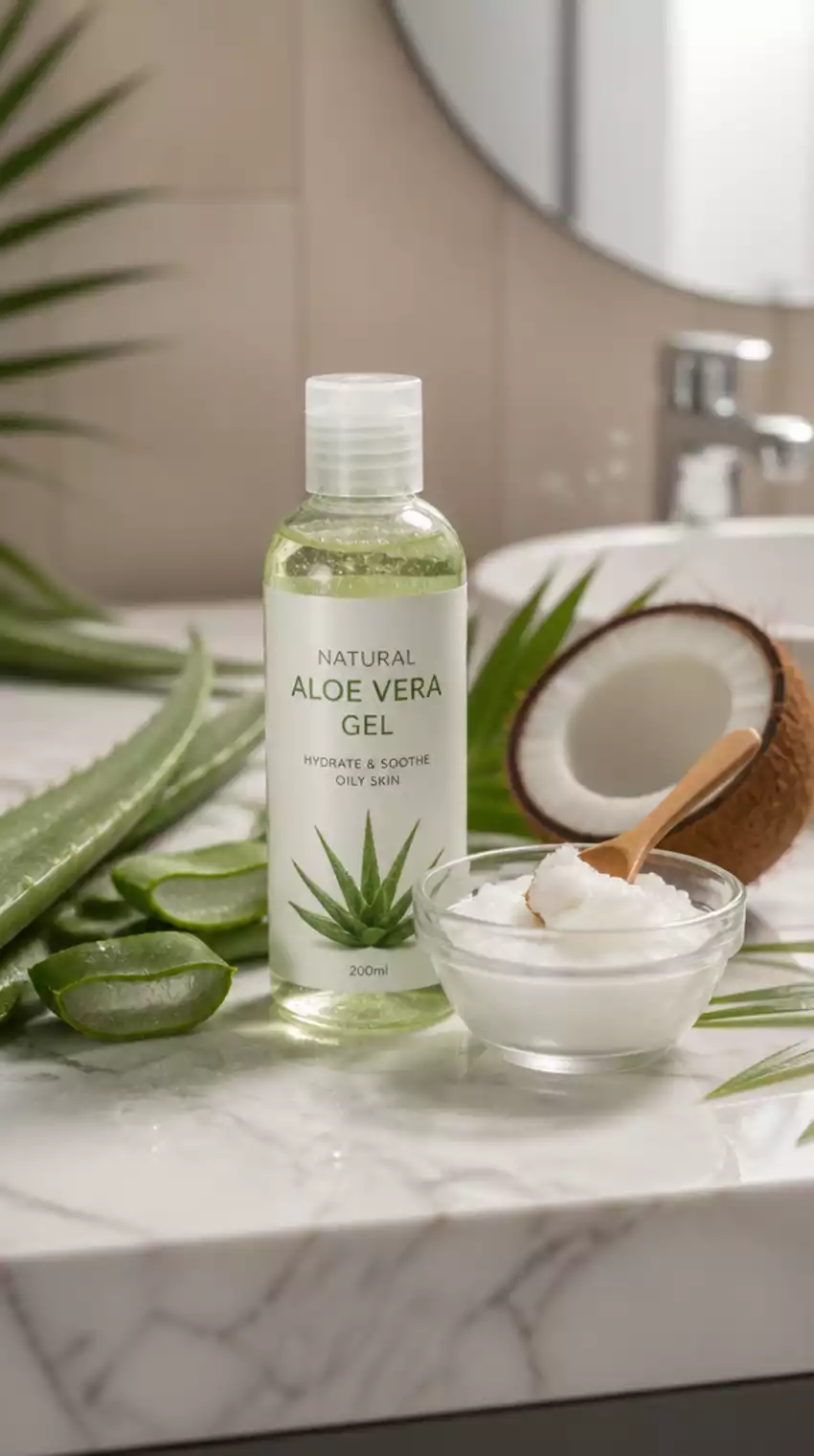
A: Look for lightweight, non-comedogenic (non-pore-clogging) products. Key hydrating ingredients include hyaluronic acid, glycerin, and aloe vera. Niacinamide is also beneficial as it helps regulate oil production.
Q: What are some common myths about moisturizing oily skin?
A: Common myths include: "Oily skin doesn't need moisturizer," "All moisturizers are heavy and greasy," and "Oily skin types can't use creams." These are false; the right lightweight, oil-free moisturizer is essential for maintaining skin balance and health.
Summarizing the Key Steps to Hydrate Oily Skin Effectively
Hydrating oily skin doesn't have to be a daunting task! I've compiled some key steps to help you achieve that coveted balance without the added greasiness. Let's recap some effective hydration strategies that you can easily incorporate into your routine.
Recap of Effective Hydration Strategies
Always use a lightweight moisturizer that won’t clog your pores.
Incorporate hyaluronic acid to draw moisture into your skin.
Look for products with niacinamide to regulate oil production.
Use gel-based or water-based formulas for a refreshing feel.
Don’t skip sunscreen, even if you have oily skin—opt for a matte-finish version!
By implementing these strategies, you’ll enjoy the benefits of hydration without feeling weighed down. Remember, the right ingredients and formulations make all the difference, especially for our unique climate in the Philippines!
Final Thoughts on Moisturizing Without Greasiness
Moisturizing oily skin can seem counterintuitive, but trust me, it's essential! The goal is to find that perfect balance—keeping your skin hydrated while preventing excess oil. Embrace the idea that even oily skin needs moisture to thrive!
As you explore different products, keep an open mind and consider how each one affects your skin. What works for others might not be ideal for you, so take the time to discover your skin's needs. It’s all about personalization and self-care!
Take Action: Personalize Your Hydration Routine Today
Now that you have the tools and knowledge, it’s time to take action! Personalizing your hydration routine is crucial for achieving the best results. Let’s create a checklist to guide you as you select products that cater to your oily skin.
Checklist for Choosing the Right Products
Is the product oil-free or non-comedogenic?
Does it contain hydrating ingredients like glycerin or aloe vera?
What is the product's texture? (Gel, lotion, or serum)
Is it suitable for the climate or season in your area?
Have you read user reviews from those with similar skin types?
By following this checklist, you’ll feel more confident in your choices. Remember, ElPira Beauty is here to support your beauty journey, so don't hesitate to explore our curated recommendations!
Encouragement to Experiment and Find What Works for You
Don’t be afraid to experiment! Finding the right hydration products can take time, but it’s part of the fun. I encourage you to try different combinations and observe how your skin reacts. Remember, everyone’s skin is unique, especially in our gorgeous Philippine setting!
As you embark on this journey of hydration, keep a journal of your experiences. Note down what you love, what doesn’t work, and how your skin evolves. And always remember—self-care is not a luxury; it’s essential for feeling your best!
Recap of Key Points
Here is a quick recap of the important points discussed in the article:
Oily skin is caused by excess sebum production, often triggered by hormonal changes, diet, and climate.
Dehydrated oily skin can appear dull and tight, despite having excess oil.
Hydration is essential for all skin types, including oily skin, to maintain balance and prevent excess oil production.
Using a lightweight moisturizer can help keep oily skin hydrated without adding greasiness.
Key ingredients like hyaluronic acid and niacinamide can enhance hydration and regulate oil production.