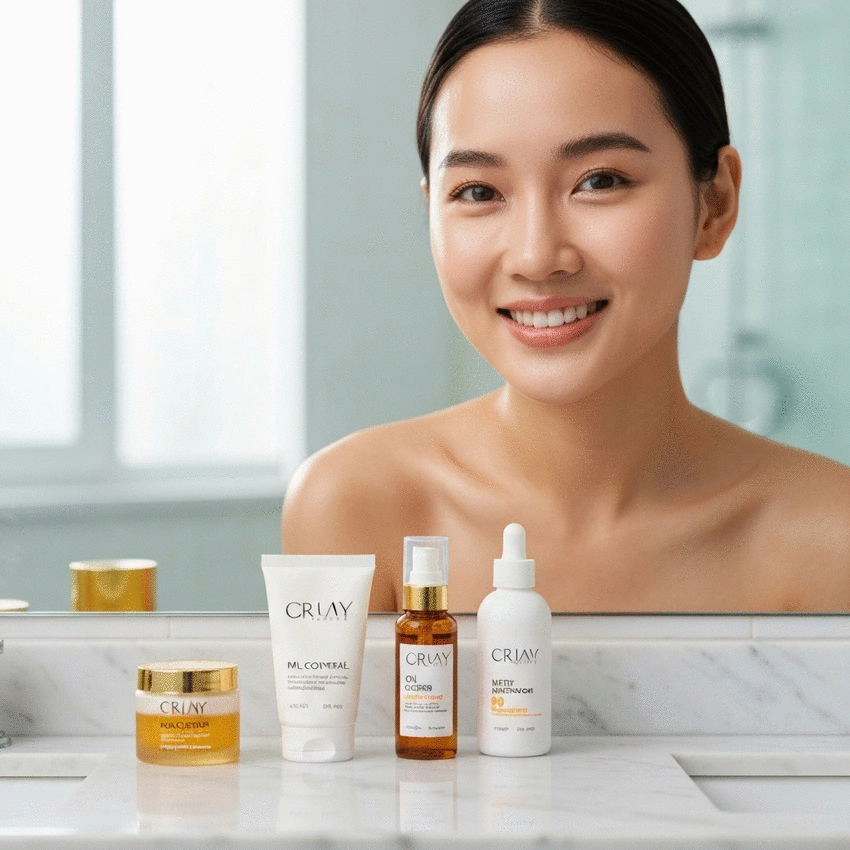

Budget Skincare Picks Under ₱500
By Lia Santos / Sep 19
Have you ever considered how the humidity in the Philippines might be influencing your skin? The relationship between climate and skincare is crucial, especially for those dealing with oily skin. Understanding this connection can empower you to make informed decisions about your skincare routine.
The humid Philippine climate significantly impacts skin, often leading to increased oil production. Below, we explore key factors contributing to oily skin and signs that warrant professional help.
Environmental Factors
Internal & External Triggers
When self-care isn't enough
Tailored Solutions
Living in the Philippines, we all know how the humid climate can affect our skin. In particular, oily skin tends to thrive in these conditions. Why? It’s all about how humidity interacts with our natural skin oils. When the air is saturated with moisture, our skin often responds by producing even more oil to maintain balance, leading to an oily complexion. Understanding this relationship is the first step towards effective skin care!
In areas with high humidity, we might notice our skin feeling greasy, especially in the T-zone. This phenomenon is common and can impact our choice of products and routines. It’s essential to recognize these effects to tackle oily skin effectively!
Humidity levels above 60% can trigger excess oil production. Our skin senses the moisture in the air and adjusts accordingly, which often means it overcompensates by creating more oil. This response can leave us feeling like we’re combating an uphill battle against shine and clogged pores!
Understanding this relationship helps us choose better skin care products tailored for our unique environment. It’s about finding that balance to maintain healthy, glowing skin without the excess shine! For more detailed information on managing oily skin, you can refer to resources from the American Academy of Dermatology.
In addition to humidity, several factors contribute to the oiliness of our skin during tropical weather. Genetics can play a critical role; if oily skin runs in the family, you might be more prone to it. Hormonal fluctuations, like those experienced during the menstrual cycle, can also increase oil production.
By recognizing these causes, we can take proactive steps to manage our skin effectively. Adjusting our lifestyle and product choices can make a significant difference!
The Philippines is known for its tropical climate, which brings both warmth and moisture. This unique weather can significantly influence our skin type, often leading to increased oiliness. Many Filipinas find themselves struggling with oily skin year-round, making it crucial to develop a skincare routine that addresses these specific needs.
At ElPira Beauty, I’m committed to helping you navigate these challenges. By understanding how our weather impacts our skin, we can select the right products and techniques to ensure we look and feel our best!
To combat oily skin effectively, consider incorporating products with salicylic acid into your routine. This ingredient helps to exfoliate and unclog pores, reducing excess oil and preventing breakouts. Additionally, look for oil-free moisturizers that hydrate without adding to the shine. Your skin will thank you!
We all want to feel confident in our skin, but sometimes it's a bit of a struggle, especially for those of us dealing with oily skin in the humid Philippine climate. If you've been battling with persistent oiliness or breakouts, it might be time to consider reaching out for professional help. Here are some signs that indicate you should seek dermatological advice:
Addressing these concerns early can make a significant difference in your skincare journey! Remember, seeking advice doesn’t mean you’re giving up control over your skin—it's about empowering yourself with the right knowledge and treatment options.
Once you've recognized the need for professional assistance, understanding the potential treatment options is key. Dermatologists may suggest a variety of treatments tailored to your unique skin type and concerns:
We all have different skin needs, and a dermatologist can help you find the right approach! Understanding that skincare is a journey can ease the pressure of finding an instant solution. Further information on acne and its various treatments can be found on MedlinePlus, a service of the National Library of Medicine.
It's important to remember that our lifestyle and diet play a significant role in our skin's health. Incorporating some simple changes can lead to noticeable improvements in your oily skin:
By making small adjustments to your daily habits, you can set a strong foundation for healthy, balanced skin. Embrace the journey with confidence, knowing that every step counts in achieving your skincare goals!
A: The humid Philippine climate, with humidity levels often above 60%, triggers increased oil and sweat production in the skin. This leads to a greasier complexion and can exacerbate issues like clogged pores and breakouts, especially during hotter months.
A: Beyond humidity, common causes include genetics (family history), diet (greasy or spicy foods), and stress (which can cause hormonal fluctuations leading to increased oil production).
A: You should consult a dermatologist if you experience persistent excessive oiliness despite a regular skincare routine, frequent breakouts or cystic acne that doesn't respond to over-the-counter products, or unresolved skin irritation, redness, or inflammation. Professional advice is also beneficial if you're unsure about suitable products or treatments.
A: Dermatologists may recommend various treatments such as prescription topical treatments (e.g., retinoids), oral medications (e.g., antibiotics, hormonal treatments), and in-office procedures like chemical peels or laser therapy to help manage oil production and concerns like acne effectively.
A: Yes, absolutely. Staying well-hydrated, limiting sugary and oily foods, incorporating plenty of fruits and vegetables into your diet, and managing stress through activities like yoga or meditation can significantly contribute to healthier, more balanced skin.
A: Consistency is crucial. Sticking to a daily regimen of cleansing, toning, and moisturizing with products suited for humid climates helps manage oil production and prevents breakouts over time. Regularly adapting your routine to seasonal shifts is also beneficial.
As we continue to embrace our beauty journeys, one of the most important aspects is consistency in your skincare routine. Whether you're struggling with oily skin or simply looking to maintain your glow, sticking to a regimen tailored for our humid climate can lead to positive results!
Consistency is the name of the game! It's not about using every product on the market; rather, it's about finding the right ones that work for you and sticking to them. Here are a few tips to help you stay on track:
When you stay consistent, you’re not just following a routine; you’re nurturing your skin and building a healthy relationship with it!
Lastly, I encourage you to experiment! The beauty world is vast, and there’s always something new to discover. Trying out different products or techniques can help you find what truly resonates with your skin. Here’s how to approach it:
Remember, your skincare journey is uniquely yours! Embrace the exploration process and enjoy finding the perfect balance for your skin. Celebrate each small victory along the way, and let ElPira Beauty be your guide in this beautiful adventure!
Here is a quick recap of the important points discussed in the article:
By Lia Santos / Sep 19
By Elpira Beauty / Sep 19
By Elpira Beauty / Sep 19