
Skincare Ingredients to Avoid in Philippines
By Lia Santos / Nov 03
Have you ever wondered why your skin feels tight after cleansing, even when it doesn’t look dry? Understanding the subtle differences between dry, tight, and dehydrated skin is essential for effective skincare. Let's explore how to nurture your skin and keep it hydrated and comfortable.
Delve into the distinct characteristics and causes of dry, tight, and dehydrated skin, along with recommended ingredients for effective care.
It’s vital to truly understand the nuances of dry and tight skin. Many of us might use these terms interchangeably, but they each have their own unique characteristics and symptoms. Dry skin often feels rough and may appear flaky, while tight skin can feel uncomfortable, especially after cleansing. Additionally, dehydrated skin is a condition that can occur when skin lacks water, leading to a tight sensation without necessarily being dry. Let’s delve deeper into how these conditions differ and what symptoms to watch for!
Understanding these differences is the first step toward finding the right care for your skin. Here’s how to break it down:
Recognizing these symptoms helps in selecting the right skincare products tailored to your specific needs. Remember, if your skin feels tight or dry after cleansing, it might be time to adjust your routine!
Several factors can contribute to dry and tight skin, especially in our beautiful yet humid Philippine climate. Here are some common culprits:
It’s crucial to assess these factors in your daily life. For instance, do you find yourself spending too much time under the sun or using products with strong fragrances? Addressing these habits can significantly improve your skin’s health!
Creating a tailored daily skincare routine can make all the difference in how your skin feels. Here’s a simple guide to follow morning and night:
By sticking to this routine, you can help your skin maintain its hydration levels throughout the day and night. It’s all about consistency and using the right products that cater to your unique skin needs!
One of the most important steps in your routine is choosing the right cleanser. Opt for fragrance-free and gentle formulas like CeraVe or Cetaphil. These products cleanse effectively without stripping your skin of its natural oils. Remember, the way you cleanse can set the tone for how your skin feels throughout the day!
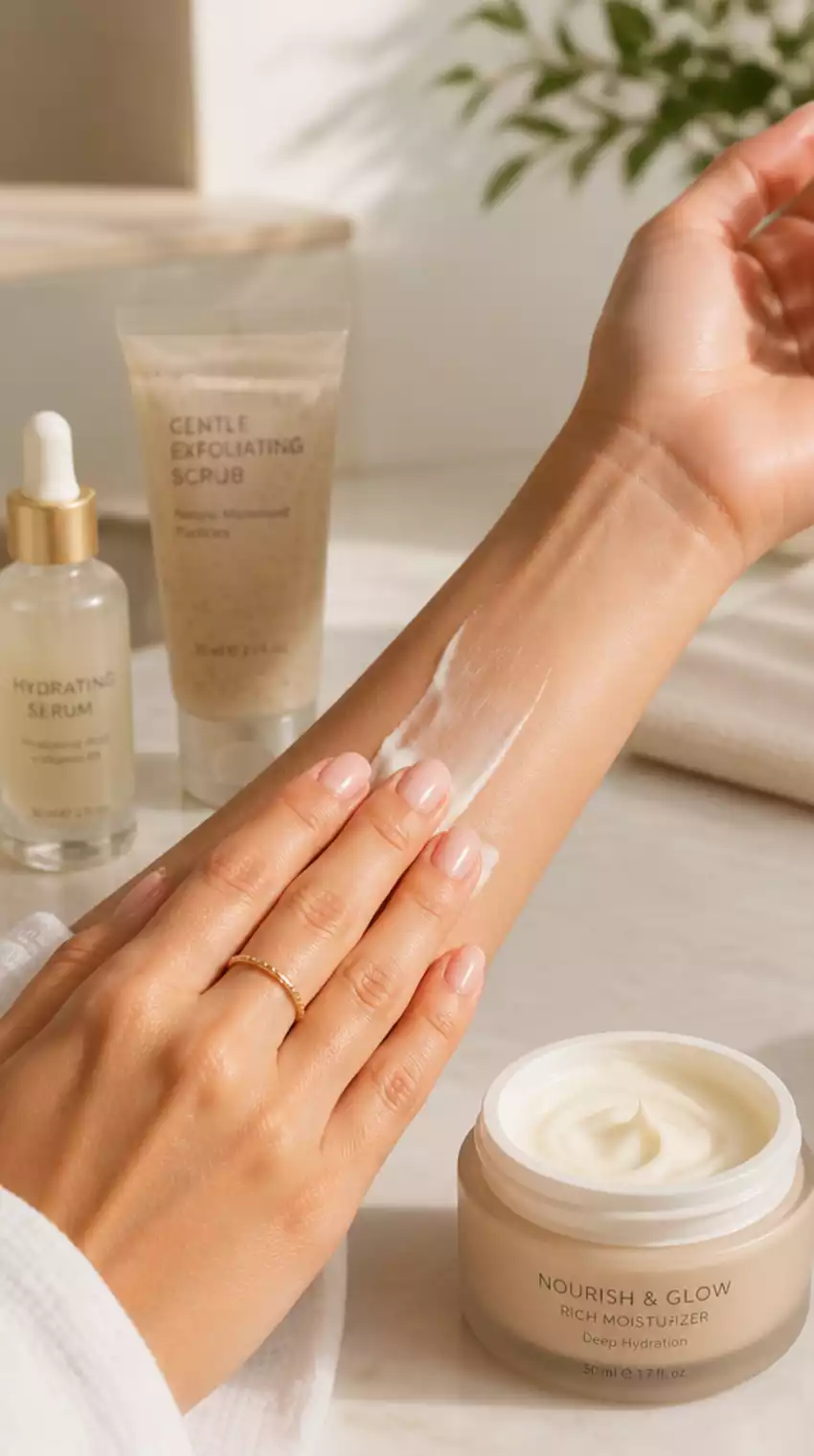
Did you know that applying moisturizers on damp skin can enhance hydration? When your skin is slightly wet, it can absorb hydrating ingredients like hyaluronic acid and glycerin more effectively. This simple technique can help lock in moisture, keeping your skin feeling supple and comfortable!
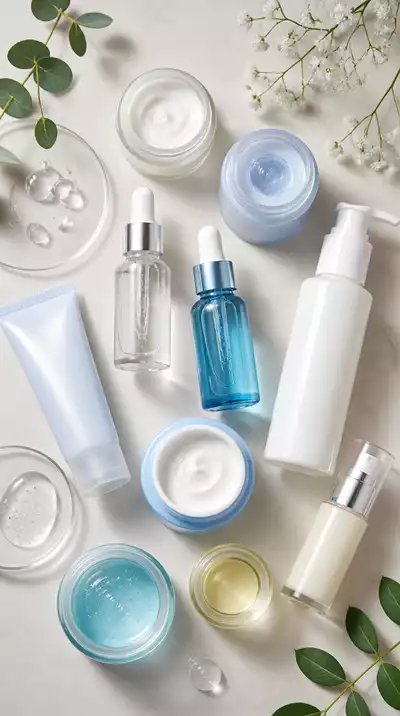
Investing in products with the right ingredients can make a world of difference for dry and tight skin. Here are some essential ingredients to look for:
Incorporating products with these ingredients can boost your skin’s hydration and improve its overall appearance. As a beauty enthusiast, I can’t stress enough the importance of understanding what goes on your skin!
When it comes to moisturizing products, knowing your options is key. Here’s a quick comparison of the three:
Understanding your skin type helps in choosing the most effective product. If you're unsure, don't hesitate to try different types to see which one feels best on your skin!
Finally, let's talk about the magic of occlusives and humectants. Occlusives like shea butter and squalane form a protective barrier on the skin, preventing moisture loss. When paired with humectants, which draw moisture into the skin, they create a powerful hydration duo! Make sure to look for these in your moisturizers to effectively combat dry and tight skin.
To maximize the benefits of your skincare products, always apply them on slightly damp skin. This technique helps to lock in moisture and enhances the absorption of active ingredients, leading to more effective hydration and comfort for your skin!
A: Dry skin typically lacks oil and often appears rough and flaky. Dehydrated skin, on the other hand, lacks water and can feel tight and look dull, but doesn't necessarily lack oil.
A: Your skin might feel tight after cleansing due to using harsh cleansers that strip away natural oils or because your skin is dehydrated. Opt for gentle, fragrance-free cleansers to avoid this sensation.
A: Key hydrating ingredients include hyaluronic acid, glycerin, ceramides, and urea. These help to attract water to the skin, restore the skin's barrier, and retain moisture.
A: Yes, applying moisturizer to damp skin can significantly enhance hydration. When your skin is slightly wet, it absorbs hydrating ingredients more effectively, helping to lock in moisture.
A: Creams are thicker and best for very dry skin, providing deep hydration. Lotions are lighter and suitable for everyday use, especially in humid climates. Ointments are heavy-duty moisture sealers designed for extremely dry patches.
As we wrap up our exploration of caring for dry and tight skin, it’s essential to reflect on the effective strategies and practices we've discussed. Remember, nurturing your skin is a journey, and it’s all about finding what works best for you. Here’s a quick recap of the key takeaways!
By integrating these practices into your routine, you’re setting yourself up for success in managing dryness and tightness. Trust me, your skin will thank you for the extra love and care!
Every skin type is unique, and it's crucial to assess your individual needs. I encourage you to personalize your skin care routine based on what resonates with your skin. For example, if you’ve found success with brands like Neutrogena or La Roche-Posay, keep those in your rotation! Remember, it's all about experimenting to discover the perfect combination that hydrates and comforts your skin.
Are you ready to take control of your skin care journey? Embrace the process, listen to your skin, and don’t hesitate to make adjustments as needed. This is your opportunity to celebrate the beauty of self-care!
I would love to hear from you! Have you struggled with dry, tight skin? What strategies have you found helpful in your journey? Please share your experiences and tips in the comments below. Together, we can learn and grow as a community of beauty enthusiasts!
Don’t miss out on the latest trends and advice in skin care! Consider subscribing to our newsletter or following ElPira Beauty on social media for ongoing insights and updates. Let’s continue to empower each other as we navigate the world of beauty together!
Here is a quick recap of the important points discussed in the article:
By Lia Santos / Nov 03
By Elpira Beauty / Nov 01
By Elpira Beauty / Nov 01