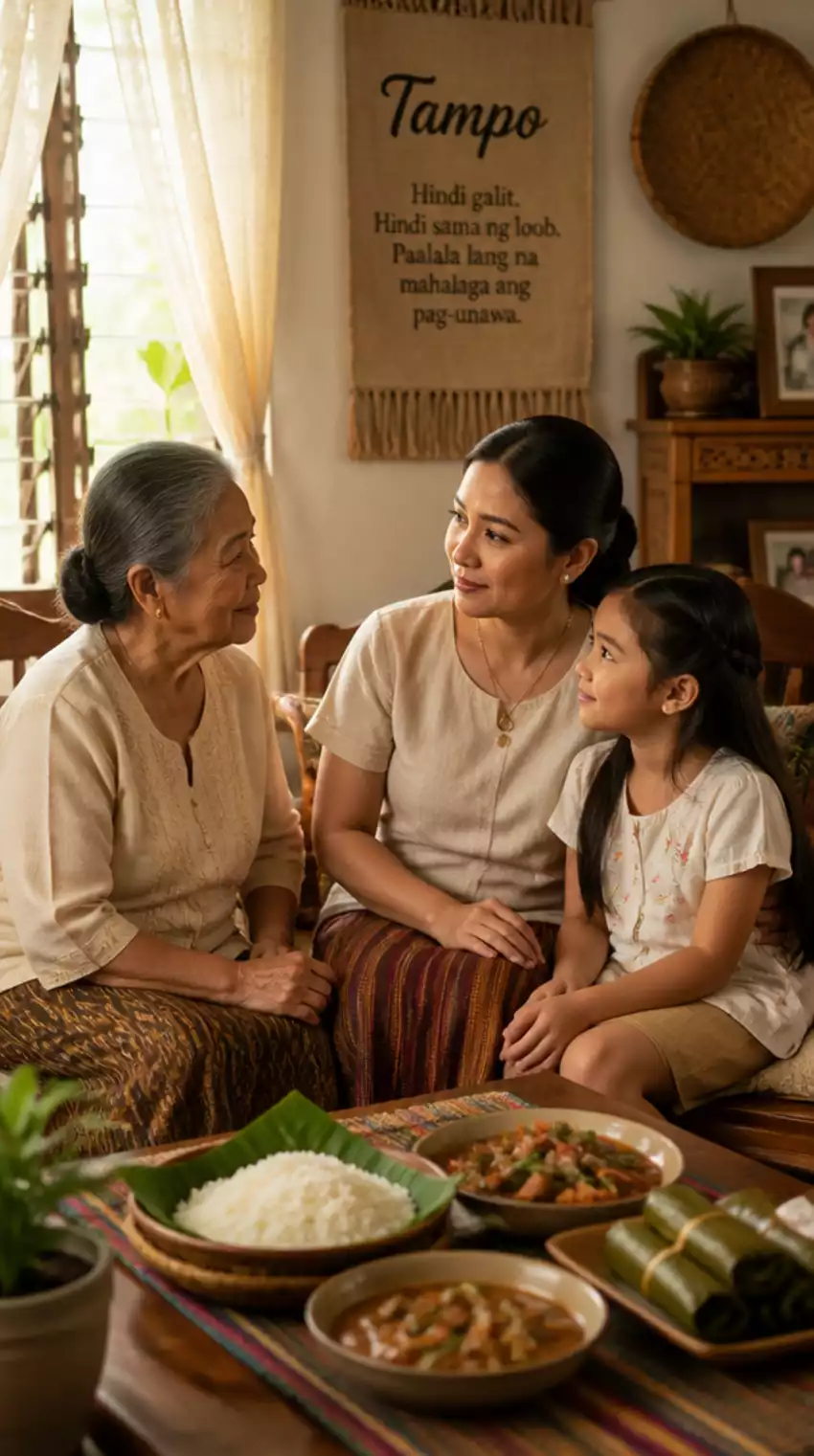
In the intricate weave of Filipino relationships, the concept of tampo serves as a silent but powerful communicator. This emotional nuance, often misunderstood, carries significant implications for how we connect with one another. Understanding tampo can enhance our empathy and awareness in these cultural contexts.
What You Will Learn
Tampo is more than just silence; it's a complex emotional response conveying disappointment without direct confrontation.
The expression of tampo requires careful observation and understanding, as it often signifies a temporary emotional withdrawal.
Cultural values such as collectivism and interdependence play crucial roles in how tampo is expressed and perceived within Filipino families.
Hiya (shame) and pakikiramdam (empathy) are foundational psychological elements influencing emotional communication in Filipino culture.
Tampo is learned through familial modeling and interactions, affecting how future generations perceive and express their feelings.
The role of traditions in Filipino culture reinforces emotional connections, allowing for communal understanding and resolution of feelings like tampo.
The Dynamics of Tampo in Filipino Culture
Delve into the nuanced expressions of Tampo, its underlying psychology, and generational influences within Filipino relationships.
Defining Tampo: More Than Silent Treatment
A temporary emotional withdrawal signaling hurt rather than anger, expressed subtly and often temporary.
Emotional Landscape & Cultural Values
• Collectivism: Heightened sensitivity.
• Interdependence: Strong emotional bonds.
• Conflict Avoidance: Silent discontent.
Filipino Psychology: Underpinnings of Tampo
• Hiya (Shame): Leads to withdrawal.
• Pakikiramdam (Empathy): Intuitive sensing.
• Family Dynamics: Harmony focus.
Generational Learning & Expression
• Modeling Behavior: Parents teach responses.
• Family Discussions: Nuance grasp.
• Observational Learning: Conflict handling.
Role of Hiya & Pakikiramdam in Communication
• Non-verbal cues: Body language.
• Active listening: Unsaid words.
• Cultural references: Storytelling.
Understanding Tampo: The Cultural Nuance in Filipino Relationships
Have you ever felt the weight of silence during a disagreement? In Filipino culture, this often translates to a complex emotional exchange known as tampo. It’s not just a simple silent treatment; it’s a rich expression of feelings and relationship dynamics. Understanding tampo can help us navigate our connections more smoothly, and it’s something I think we should all be aware of, especially in our close-knit communities.
Tampo frequently manifests as a period of withdrawal or coolness, where one party retreats emotionally. This can be confusing, especially for those unfamiliar with the cultural nuance behind it. It’s essential to recognize that this behavior is deeply ingrained in Filipino relationships and often arises from a place of hurt rather than an outright desire to hurt someone else.
Defining Tampo: More Than Just Silent Treatment
To truly grasp the meaning of tampo, we must go beyond the surface. It involves a temporary distance from someone we care about, often signaling that something isn’t right. Here are a few key aspects that define tampo:
Subtlety: Unlike outright anger, tampo is expressed quietly and often requires careful observation to detect.
Emotional Significance: It’s a way to communicate feelings of disappointment or hurt without direct confrontation.
Temporary: While it may feel heavy in the moment, tampo is usually a phase rather than a permanent state.
In my experience, understanding these facets of tampo allows us to approach it with empathy. It’s important to recognize that the person exhibiting tampo may need time to process their feelings before re-engaging.
The Emotional Landscape of Tampo in Filipino Culture
Tampo is not just an individual’s reaction; it’s a reflection of cultural values and emotional connections. In Filipino families, emotions are often intertwined with familial expectations and social traditions. Let’s dive into some emotional landscapes that surround tampo:
Collectivism: Filipino culture emphasizes community and family, leading to heightened sensitivity toward each other's feelings.
Interdependence: Relationships are characterized by a strong emotional bond, making the impact of tampo significant.
Conflict Avoidance: Many Filipinos prefer to avoid direct confrontation, leading to silent expressions of discontent instead.
By recognizing these emotional landscapes, we can foster more understanding and patience when we encounter tampo in our relationships.
Exploring Filipino Psychology: The Underpinnings of Tampo
At the heart of tampo are psychological factors that shape how we express and manage our emotions. Filipino psychology, or Sikolohiyang Pilipino, provides insights into the collective mindset that influences behaviors like tampo. Here are some key psychological underpinnings:
Hiya (Shame): A powerful motivator in Filipino culture, hiya can lead individuals to withdraw when they feel they’ve disappointed someone.
Pakikiramdam (Empathy): This sensitivity towards others’ feelings encourages individuals to be aware of their emotional impact on loved ones.
Family Dynamics: The importance of family creates a desire to maintain harmony, often leading to avoidance behaviors like tampo.
Understanding these psychological foundations allows us to approach tampo with a more compassionate perspective. It’s about empathy and recognizing that everyone has their emotional triggers!
Interactive Poll: Share Your Thoughts!
Tampo can be a complex facet of Filipino relationships. How do you navigate this emotional landscape? We’d love to hear your experiences:
Frequently Asked Questions About Tampo
What exactly is tampo?
Tampo is a complex Filipino emotional nuance that involves temporary emotional withdrawal, signaling hurt or disappointment rather than outright anger. It's often expressed subtly and is not a permanent state.
How is tampo different from silent treatment?
While both involve silence, tampo carries deeper cultural significance and is typically a temporary phase motivated by hurt or disappointment, aiming to communicate feelings without direct confrontation. Silent treatment can sometimes be used punitively or without clear emotional intent.
What cultural values influence the expression of tampo?
Cultural values such as collectivism (emphasis on community), interdependence (strong emotional bonds), and conflict avoidance play crucial roles. These values lead to heightened sensitivity and a preference for subtle expressions of discontent.
What psychological factors underpin tampo?
Key psychological factors include hiya (shame), which can lead to withdrawal to avoid discomfort or conflict, and pakikiramdam (empathy), which encourages intuitive sensing of others' feelings. Family dynamics also emphasize harmony, contributing to indirect emotional expression.
How is tampo learned across generations?
Tampo is learned through familial modeling, where parents and elders exhibit responses to hurt or neglect. Family discussions and observational learning of how relatives handle conflicts also shape how younger generations understand and express their emotions.
How can I effectively address tampo in my relationships?
Addressing tampo effectively involves observing non-verbal cues, practicing active listening (paying attention to what is unsaid), and using cultural references like storytelling to convey feelings. Approaching it with empathy and patience, allowing space for processing, is also key.
Cultural Context of Tampo Across Generations
Understanding tampo requires a look back at how it is passed down through generations in Filipino families. In my experience with ElPira Beauty, I've seen how cultural expressions of emotions shape our perceptions and interactions. Tampo isn't just a personal experience; it’s rooted in family traditions and values that vary from one generation to the next!
In Filipino culture, children often learn about tampo from their parents and grandparents. This generational influence informs how they recognize and express it in their own relationships. Let’s explore the ways tampo is learned and expressed:
Modeling Behavior: Parents often exhibit tampo, teaching their children how to respond when feeling hurt or neglected.
Family Discussions: Conversations about feelings and relationships within the family setting help children grasp the nuances of tampo.
Observational Learning: Children observe how relatives handle conflicts, shaping their understanding of emotional communication.
This cycle of learning ensures that tampo remains a significant aspect of emotional expression within Filipino culture. It's through these interactions that we cultivate a deeper understanding of our emotional needs.
How Tampo is Learned and Expressed in Filipino Families
As I chat with friends and family about their experiences, it's clear that the expression of tampo varies widely. Each family has its own approach, influenced by traditions and the emotional climate in which they were raised. Here are some common expressions of tampo found across Filipino households:
Silence during meals—a common sign of being upset.
Subtle changes in body language, like avoiding eye contact.
Withholding affection or attention until feelings are addressed.
These behaviors reflect the importance of hiya (shame) and pakikiramdam (empathy) in Filipino culture. Recognizing these signs can help family members navigate emotional landscapes more effectively!
The Role of Hiya and Pakikiramdam in Emotional Communication
In Filipino culture, hiya and pakikiramdam play pivotal roles in how we communicate emotions, especially in the context of tampo. Hiya, that sense of shame or embarrassment, influences many aspects of our interactions. When feeling hurt, an individual might hesitate to express their feelings openly out of fear of causing discomfort or conflict.
On the other hand, pakikiramdam—our ability to sense the feelings of others—encourages us to be more intuitive in our relationships. It’s a soft reminder to check in with loved ones and understand what they might be feeling without them having to say a word. Here are ways hiya and pakikiramdam manifest in our communication:
Non-verbal cues: Body language speaks volumes!
Active listening: Paying attention to what isn't said is just as important.
Cultural references: Using stories or anecdotes to convey feelings can be more effective than direct confrontation.
Recognizing these aspects can help us foster better communication and resolve tampo more effectively, leading to stronger emotional bonds.
Filipino Traditions and Their Influence on Tampo Dynamics
Traditions deeply influence how tampo is expressed and perceived in Filipino culture. Events like family gatherings, holiday celebrations, and even casual meetups provide context for these emotional interactions. One significant tradition is the concept of "bayanihan," where the community comes together to support one another in times of need, reinforcing the idea that emotional expressions, including tampo, are communal experiences.
Some traditions that shape our understanding of tampo include:
Celebrating family milestones together, which strengthens emotional ties.
Incorporating festive rituals that promote sharing feelings and resolving conflicts.
Using storytelling to convey life lessons about relationships and emotional management.
These traditions remind us that even when we experience tampo, we are never alone. It’s a beautiful part of our culture that encourages connection, understanding, and growth among generations.
Recap of Key Points
Here is a quick recap of the important points discussed in the article:
Tampo is a nuanced emotional response in Filipino culture, representing withdrawal due to feelings of hurt or disappointment.
It is characterized by subtlety, emotional significance, and is usually a temporary state rather than permanent.
The concepts of hiya (shame) and pakikiramdam (empathy) play crucial roles in how tampo is expressed and understood.
Familial traditions and generational influences shape the understanding and expression of tampo among Filipino families.
Recognizing non-verbal cues and practicing active listening can help navigate relationships impacted by tampo more effectively.