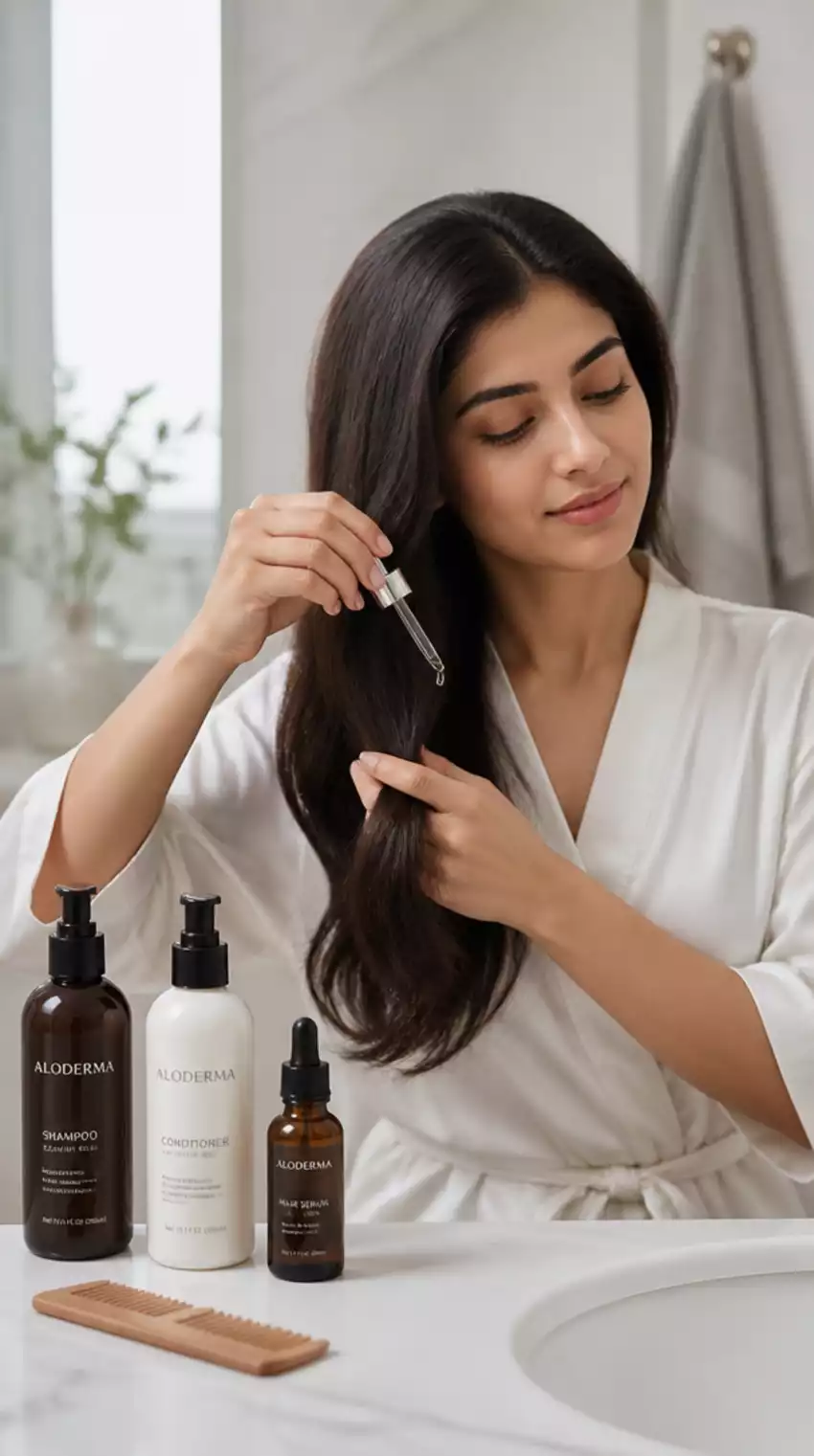



Budget Skincare Picks Under ₱500
By Lia Santos / Sep 19
Are you aware that tailoring your hair care routine to your unique hair type can drastically improve its health and appearance? Understanding the specific needs of your hair is the first step in achieving the luscious locks you desire. Dive into the essential hair care practices that can help every woman, especially Filipino women, embrace their natural beauty!
Understanding your hair's unique needs and establishing a consistent routine can transform its health. This visual outlines a comprehensive approach to hair care, detailing key habits from daily maintenance to monthly practices, ensuring vibrant and healthy locks. For more specific guidance, explore simple hair care for healthier locks.
As a beauty enthusiast and advocate for self-care, I know that having a well-rounded hair care routine is essential for maintaining healthy, vibrant locks! At ElPira Beauty, we understand that every woman’s hair is unique, influenced by various factors such as texture, scalp health, and lifestyle. That’s why I’m excited to share some essential hair care routines that cater specifically to the needs of Filipino women.
This comprehensive guide will help you navigate your hair care journey, ensuring that your hair looks its best every day. Let’s dive in and explore the different hair types, daily habits, and treatments that will elevate your hair care game!
Before we can establish an effective hair care routine, it's important to understand your hair type and its specific needs. By recognizing the unique characteristics of your hair, you can choose the right products and practices. This approach will help you achieve optimal results and get that luscious hair you’ve always dreamed of!
Additionally, don’t forget to take your scalp health into account! Conditions like oily, dry, or sensitive scalps can have a direct impact on how your hair looks and feels. By understanding your hair type and scalp condition, you can tailor your hair care routine to meet these unique needs. For more insights on caring for specific hair types, check out our guide on curly hair care for Filipinas.
It’s essential to differentiate between hair types to choose the right products. Straight hair generally requires lighter formulations to maintain its shine, while curly hair thrives on moisture-rich products. Textured hair, on the other hand, often demands more intensive hydration to keep it healthy and nourished. Embrace your unique hair type and choose products that celebrate its natural beauty!
Your scalp health is just as important as the condition of your hair. An oily scalp might lead to greasy strands, while a dry scalp can cause itchiness and flakiness. Sensitive scalps may require gentle products free from harsh chemicals. By understanding your scalp's needs, you can select shampoos and treatments that help maintain a healthy environment for your hair to thrive.
Hair porosity refers to how well your hair absorbs and retains moisture. Some hair types may have low porosity, meaning they resist moisture, while others with high porosity absorb it quickly but can lose it just as fast. Knowing your hair's porosity can guide you in choosing the right products. For low-porosity hair, look for lightweight, hydrating products, whereas high-porosity hair may benefit from more intensive treatments and sealants.
Now that we understand our hair and scalp, let’s discuss daily hair care habits that promote overall health. Developing consistent routines is crucial for maintaining the vibrancy and integrity of your hair.
By incorporating these daily habits into your routine, you can ensure that your hair remains healthy, shiny, and well-nourished! Remember, consistency is key!
The frequency of washing your hair largely depends on your hair type and lifestyle. For those with oily hair, washing daily might be necessary, while dry or curly hair types may thrive with washing just a couple of times a week. Listen to your hair and adjust your routine accordingly!
Conditioning is a crucial step in any hair care routine. It helps to hydrate and protect your strands, making them more manageable. Choose a conditioner that complements your hair type. For example, if your hair is fine, look for lightweight options, whereas thick, curly hair may require a richer, more moisturizing formula.
Using sulfate-free and paraben-free products is beneficial for all hair types, especially if you’re looking to avoid unnecessary buildup or irritation. These gentle formulas cleanse without stripping your hair of its natural oils, promoting healthier hair over time. If you haven’t already, give them a try—you’ll notice the difference!
In addition to daily habits, incorporating weekly hair care practices can elevate your routine. This is where you can pamper your locks and give them the extra love they deserve!
By committing to these weekly practices, you’ll not only boost your hair’s health but also enjoy a little self-care time that’s so essential in our busy lives!
Hair masks and oils are fantastic additions to your weekly routine. They provide deep nourishment and repair to your strands, leaving them revitalized and soft. Whether you prefer a store-bought mask or a DIY version using local ingredients, these treatments can make a significant difference in your hair’s texture and overall appearance.
Exfoliating your scalp helps remove dead skin cells and product buildup, which can hinder hair growth. Incorporate a gentle exfoliating scrub into your routine once a week to keep your scalp healthy and free of impurities. Following this with a soothing treatment can further enhance the benefits!
Deep conditioning and protein treatments play vital roles in maintaining hair health. They help replenish moisture and strengthen hair strands, especially if you regularly use heat or undergo coloring processes. Finding the right balance between moisture and protein is essential for preventing damage and ensuring your hair stays resilient. For tips on managing damage, consider reading about repairing heat-damaged hair naturally.
For many of us, styling our hair is a daily ritual! However, it’s crucial to protect our hair from heat damage during this process. Let’s explore some heat protection tips that will keep your hair looking fabulous while minimizing damage.
By being mindful of heat usage, you’ll help maintain the integrity of your hair while achieving beautiful styles!
A good heat protectant should contain ingredients that shield your hair from damage, such as silicones and oils. These ingredients create a barrier against heat, keeping your strands safe and healthy. When selecting a product, look for labels indicating thermal protection for the best results!
Using the right styling tools can make a world of difference in how your hair responds to styling. Always check for adjustable heat settings and opt for tools made with materials that distribute heat evenly. This way, you’ll minimize the risk of hot spots that can lead to damage.
When using hairdryers or heat styling tools, it’s essential to keep them moving instead of focusing on one area. This practice helps distribute heat evenly and reduces the risk of damage. Additionally, consider using a lower heat setting whenever possible to protect your hair while still achieving your desired style.
Just as our skin needs care during the night, so does our hair! Establishing a nightly routine can enhance recovery and promote healthy hair growth.
These small adjustments can lead to significant improvements in your hair’s overall health and appearance!
Silk pillowcases help reduce friction, which can lead to less breakage and frizz. On the other hand, cotton can absorb moisture from your hair, potentially leading to dryness. If you can, invest in a silk pillowcase for a luxurious touch that benefits your hair!
When sleeping, consider styles that minimize strain on your hair, such as loose braids or buns. Using a silk or satin scarf or bonnet can protect your strands from friction and keep them hydrated. These simple practices can help maintain your hair’s health and prevent damage overnight.
Incorporating leave-in conditioners and hair oils into your nightly routine can provide an extra boost of hydration for your hair. Focus on the ends, where damage often occurs, and let the products work their magic overnight. You’ll wake up to softer, more manageable hair!
As beautiful as our hair can be, it often comes with its own set of challenges. Let’s discuss some common hair concerns and how to tackle them effectively!
By addressing these concerns proactively, you can maintain the health and beauty of your hair while enjoying the styling process!
Preventing split ends starts with regular trims and being gentle with your hair. Avoid harsh brushing and minimize heat exposure. Incorporating nourishing treatments can also help maintain your hair’s strength.
Frizz can be a real challenge, especially in our humid climate! To combat frizz, choose lightweight leave-in conditioners and anti-frizz serums. During the rainy season, consider using heavier oils or creams for added protection against moisture. For more specific tips on managing hair in humid conditions, read our article on top hair care for humidity.
There are many myths surrounding hair growth, such as the belief that cutting your hair makes it grow faster. In reality, healthy hair growth is supported by a balanced diet rich in vitamins like biotin, vitamin E, and omega-3 fatty acids. Incorporating these nutrients into your diet can promote a flourishing mane!
To wrap up our hair care journey, let’s explore some dermatologist-approved tips that can elevate your routine. These insights will ensure you’re making informed decisions about your hair care practices!
By incorporating expert advice into your hair care regimen, you can navigate your journey with confidence, knowing you’re doing the best for your beautiful hair!
When choosing hair products, look for ingredients that cater to your specific needs. For instance, keratin can help strengthen hair, while oils like argan and coconut provide hydration. Being ingredient-savvy can transform your hair care routine!
As we move through different life stages, our hair requires different care. Postpartum hair loss, for example, can be addressed with nutrient-rich products and gentle handling. Similarly, during menopause, hormonal changes can affect hair texture and volume, so adjusting your routine is crucial.
While DIY treatments can be effective, there are times when consulting with a professional is essential. If you’re facing persistent issues like severe damage or scalp conditions, don’t hesitate to seek help from a dermatologist or licensed stylist. They can provide tailored advice and treatments that will best suit your needs.
Did you know that incorporating a weekly scalp massage can significantly improve your hair health? Not only does it promote blood circulation, but it also helps distribute natural oils, leading to healthier, shinier hair. Try using a few drops of nourishing oils like coconut or argan oil during your massage for added benefits!
Here are some common questions about maintaining healthy hair:
As we wrap up our discussion on hair care, it's essential to reflect on the key habits that can transform your hair health. From daily routines to weekly practices, each step plays a significant role in achieving and maintaining beautiful hair. Let's dive into the essentials that every woman should embrace on her hair care journey!
Creating a hair care routine might seem daunting, but with the right strategies, you can make significant progress. Remember, it's about finding what works for you and your unique hair type. Here’s a quick recap of effective practices to keep your locks looking their best:
These strategies are designed to build a solid foundation for your hair health. At ElPira Beauty, we believe that understanding your hair's needs and adapting your routine accordingly will set you up for success!
Selecting the right products based on your unique needs is crucial. Don’t hesitate to experiment until you find your perfect match! Remember, your hair journey is personal, and at ElPira Beauty, we’re here to support you every step of the way.
It’s amazing how much your diet can impact the health of your hair! By prioritizing hydration and nutrition, you’re not just caring for your hair, but also enhancing your overall well-being.
Starting a new hair care routine can be exciting yet overwhelming. I encourage you to take your time, set realistic goals, and be patient as you navigate this journey. Remember, change doesn’t happen overnight, but with consistency, you’ll begin to see the results you desire!
It’s essential to acknowledge that every woman's hair journey is unique. By setting achievable goals, you can maintain motivation. Celebrate small victories, whether it's softer hair or a reduction in frizz!
Finally, I invite you to join our community at ElPira Beauty! Share your hair care experiences, ask questions, and discover new tips that can further enhance your routine. Together, we can create a supportive space where beauty is celebrated and shared!
Here is a quick recap of the important points discussed in the article:
By Lia Santos / Sep 19
By Elpira Beauty / Sep 19
By Elpira Beauty / Sep 19