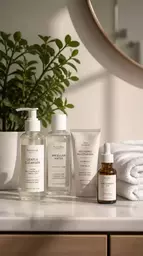
Skincare Ingredients to Avoid in Philippines
By Lia Santos / Nov 03
As beauty enthusiasts, we often overlook the significance of sun protection in our skincare routines. In the context of the Philippines' tropical climate, protecting our skin is not just a choice but a necessity. Here, you will discover essential insights tailored specifically for Filipinas that can transform your approach to sun safety.
Discover key factors influencing sun protection for Filipinas, including skin needs, UV ray impact, and sunscreen choices. This visual guide highlights critical information often overlooked. For more insights on adapting your skincare to the local climate, explore our guide on skincare routine for Filipino weather.
Broad-spectrum protection is vital to guard against both harmful rays.
As a beauty enthusiast committed to empowering Filipino women, I can't stress enough the importance of sun protection. The Philippine climate is beautifully tropical, but it also presents unique challenges for our skin. With high humidity and intense sun exposure, understanding how to protect our skin is crucial to maintaining our health and beauty.
Filipinas often face specific skin needs, such as hyperpigmentation and acne-prone conditions, which require tailored solutions. This article will guide you through the essential aspects of sun protection designed specifically for our community, ensuring your skin remains radiant and protected!
Filipinas have diverse skin types that can react differently to sun exposure. Many of us are prone to hyperpigmentation, which can become more pronounced with sun damage. This is especially true for those of us with darker skin tones, as sun exposure can lead to uneven skin tones and dark spots.
Additionally, the Philippine climate can make our skin feel oily, which can affect how sunscreen performs. It's essential to choose products that work with our skin's natural moisture levels while providing effective protection. For further reading on managing skin in humid climates, check out our insights on managing skin in humid Philippines.
When dealing with hyperpigmentation, look for sunscreens containing ingredients like niacinamide or vitamin C that can help brighten skin while protecting it from UV rays. If you're struggling with acne, opt for lightweight, oil-free formulas that won't clog your pores.
Remember, regular sun protection is not just about preventing burns; it’s about maintaining a healthy complexion over time. Prioritizing products that cater to these needs will help you achieve your skincare goals.
The high humidity levels in the Philippines can affect how sunscreen interacts with your skin. A lotion that feels great on a dry day may feel heavy or greasy when the humidity spikes. That’s why choosing the right sunscreen is essential!
By understanding your skin’s response to humidity, you can select products that protect while keeping your skin fresh and comfortable.
Knowing the difference between UVA and UVB rays is key to effective sun protection. UVA rays penetrate deep into the skin and are primarily responsible for premature aging and skin cancer, while UVB rays cause sunburn and are crucial in developing skin cancer.
For Filipinas, using a sunscreen that provides broad-spectrum protection is vital. This ensures you are guarded against both types of harmful rays, safeguarding your skin from sun damage.
Broad-spectrum sunscreens protect against both UVA and UVB rays, which is crucial for our skin health. Especially for those of us who enjoy outdoor activities, a broad-spectrum formula will help minimize skin damage and keep your complexion looking youthful.
Don't forget: applying broad-spectrum sunscreen daily is just as important as your morning moisturizer. It should be a staple in your beauty routine!
Selecting the right sunscreen can feel overwhelming with so many options available, especially in the Philippines. However, knowing what to look for makes the process much easier!
Let’s delve into these aspects further to help you find the perfect match for your skin!
SPF, or Sun Protection Factor, is a measure of how well a sunscreen can protect your skin from UVB rays. For Filipinas, I recommend using a sunscreen with at least SPF 30 to ensure effective protection.
If you’re planning on spending extended periods outdoors, consider opting for SPF 50+. This extra layer of protection can be a game changer in preventing sunburn and long-term skin damage!
Mineral sunscreens contain zinc oxide or titanium dioxide, creating a physical barrier on the skin that reflects UV rays. They’re ideal for sensitive skin and often cause less irritation. On the other hand, chemical sunscreens absorb UV rays and may provide a lighter feel, which some may prefer.
Ultimately, the choice depends on your personal preference and skin sensitivity. Experimenting with both can help you discover which works best for you! For more comprehensive advice on choosing the best sun protection, read our article on choosing sunscreen for Philippine weather.
In the Philippines, where humidity is a constant companion, using a water-resistant sunscreen is a must! These formulas withstand sweat and water exposure, keeping your skin protected during beach trips or outdoor activities.
Look for products that specify “water-resistant” on the label and remember to reapply every two hours, especially if you’re swimming or sweating!
When selecting a sunscreen, consider trying products with additional skincare benefits, such as antioxidants or hydrating ingredients. This will not only protect your skin from harmful UV rays but also provide nourishment and enhance your overall complexion!
Due to the Philippines' tropical climate with high humidity and intense sun exposure, Filipinas are prone to specific skin concerns like hyperpigmentation and acne. Effective sun protection is crucial to maintain skin health and beauty, and to prevent these issues from worsening.
For daily use, sunscreens with at least SPF 30 are recommended. If you plan to spend extended periods outdoors or engage in activities like swimming, opting for SPF 50+ provides enhanced protection against sunburn and long-term skin damage.
UVA rays penetrate deep into the skin and are primarily responsible for premature aging and skin cancer. UVB rays mainly cause sunburn and are crucial in the development of skin cancer. Broad-spectrum sunscreens protect against both types of harmful rays.
Mineral sunscreens (containing zinc oxide or titanium dioxide) create a physical barrier and are ideal for sensitive skin. Chemical sunscreens absorb UV rays, offer a lighter feel, but may irritate some skin types. The choice depends on your personal preference and skin sensitivity.
Sunscreen should be reapplied every two hours, especially during outdoor activities, after swimming, or if you are sweating heavily, to maintain optimal protection.
As we wrap up our discussion on sun protection, it’s clear that shielding our skin from harmful UV rays is crucial for every Filipina! Understanding and adopting effective sun protection practices is not just a trend; it’s a vital aspect of maintaining healthy skin. Let’s highlight the essential takeaways that can help you make informed choices in your beauty routine.
Here are some key points to remember when it comes to incorporating sun protection into your daily life:
In the warm and humid climate of the Philippines, regular sun protection helps combat common skin concerns like hyperpigmentation and melasma. By establishing a solid routine, you can keep your skin glowing and healthy.
For an effective daily sun protection routine, consider these steps:
This ritual not only protects your skin but also hydrates it, making you feel fresh and radiant throughout the day. Don’t forget: consistency is key!
When choosing sunscreen, it’s vital to know your options. Here are some factors to consider:
Knowing what works best for your skin type and lifestyle empowers you to make informed decisions that promote healthy skin.
To further protect your skin from sunburn and melasma, here are some additional tips:
Implementing these strategies can significantly reduce your risk of skin damage while keeping you stylish and comfortable.
Now that you’re armed with knowledge about sun protection, it’s time to take action! Whether you’re stepping out for a quick errand or lounging at the beach, make sun safety a priority.
I’d love to hear about your sun protection journey! What products have worked for you? Share your experiences in the comments or through social media. Together, we can foster a supportive community of beauty enthusiasts who prioritize self-care and health.
At ElPira Beauty, we’re dedicated to providing you with reliable resources and recommendations. Check out our detailed product reviews and guides to find the right sunscreen for your skin type. Let’s continue learning together and celebrate the beautiful skin we’re in! For more essential tips on maintaining healthy skin in the Philippine climate, take a look at our skincare essentials for Philippine climate.
Here is a quick recap of the important points discussed in the article:
By Lia Santos / Nov 03
By Elpira Beauty / Nov 01
By Elpira Beauty / Nov 01