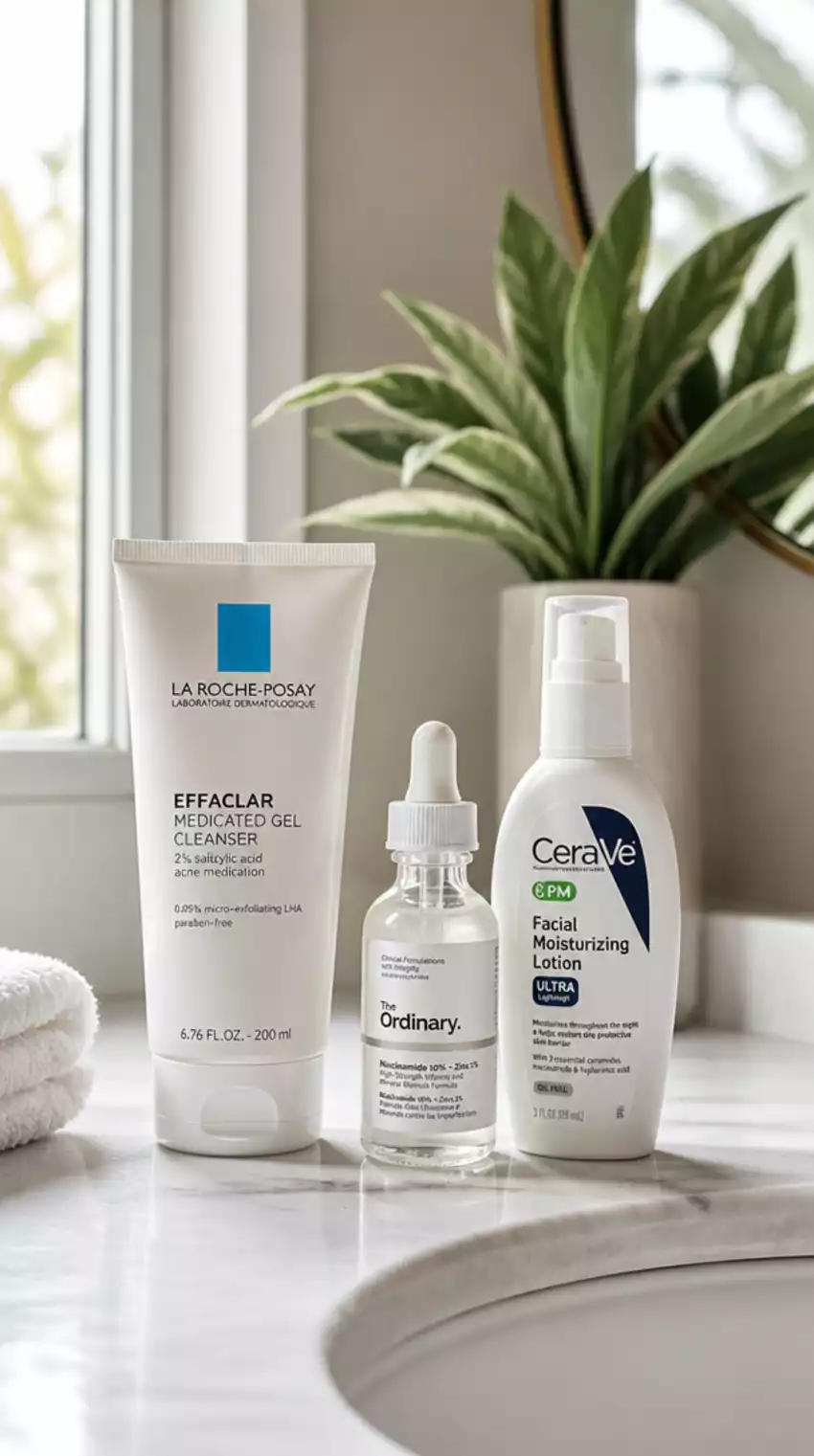



Skincare Ingredients to Avoid in Philippines
By Lia Santos / Nov 03
What if you could transform your skincare routine into a personalized journey that truly reflects your unique needs? With the right insights and knowledge, you can achieve the clear and radiant skin you’ve always desired. Let’s explore the essential lessons that will guide you on this path!
Understanding the unique environmental and lifestyle factors contributing to acne can help in better management. Below is a comparison of common triggers and dietary influences in the Philippine context. For more detailed information on managing these factors, consider exploring skincare tips for tropical climates.
Acne-prone skin can be a challenge, especially in a tropical climate like ours in the Philippines. With humidity, heat, and a unique combination of environmental factors, it’s crucial to understand what makes your skin more susceptible to breakouts. Recognizing the characteristics of acne-prone skin is the first step toward effective management. Let’s dive into the details!
Acne-prone skin is typically characterized by its oily texture, enlarged pores, and frequent occurrences of whiteheads or blackheads. Many of us also notice redness and inflammation around these areas, which can be frustrating! In Filipino women, skin tones can vary widely, but common traits include:
It’s essential to evaluate your skin regularly to notice any changes or patterns. Keeping a journal of your skin’s behavior can be a fun way to track what works best for you!
Living in the Philippines, we face unique triggers for acne that may not be as prevalent elsewhere. Some significant factors include:
Being aware of these triggers is essential for managing your skincare routine effectively. By adjusting your products and habits accordingly, you can create a more suitable environment for your skin!
What we eat plays a crucial role in our skin health. Many Filipinos enjoy delicious, carb-heavy dishes, which can influence acne flare-ups. Here are some dietary factors that may affect your skin:
Incorporating a balanced diet rich in fruits, vegetables, and whole grains can make a significant difference. As someone who has navigated this journey myself, I can’t stress enough the importance of nourishing your body from the inside out!
We want to hear from you! What is the biggest challenge you face when managing your acne-prone skin?
As we reach the end of our deep dive into skincare for acne-prone skin, it’s essential to remember that finding the right routine is a personal journey! Each step plays a significant role in achieving clearer and healthier skin. Let’s reflect on the key points that can help you build a successful routine tailored to your unique needs.
To wrap it all up, here are some critical elements to keep in mind as you embark on your skincare journey:
By integrating these steps into your daily routine, you’ll be well on your way to achieving the skin you’ve always wanted! Remember, it’s all about consistency and patience.
While following a routine is vital, sometimes our skin needs that extra bit of attention. I encourage you to consider consulting with a dermatologist, especially if you’re experiencing persistent issues. A professional can provide personalized advice tailored to your skin type and concerns. Your skincare journey is like a beautiful dance, and it’s perfectly okay to seek guidance to keep you in rhythm!
Dermatologists can assess your skin in-depth and recommend treatments or products that work best for you. Plus, they can help debunk any myths or misconceptions you may have about acne treatments!
Now that you have the tools and knowledge to tackle acne-prone skin, let’s talk about engaging with our vibrant community! At ElPira Beauty, we believe in the power of sharing experiences and learning from one another.
Consider joining local online forums or groups where you can share your skincare journey, ask questions, and connect with fellow Filipinos. These platforms are gold mines of information and support. You’ll find that many others are navigating similar challenges and can offer valuable insights!
Sharing your journey not only helps you but also inspires others in our community. Together, we can celebrate our beauty stories and learn from each other!
Lastly, don't hesitate to seek recommendations for products and techniques from fellow beauty enthusiasts. The beauty community in the Philippines is rich with insights that resonate with our unique climate and lifestyle. You might discover hidden gems that are perfect for your skincare routine! For more recommendations, explore local Filipino skincare brands that cater to our unique needs.
As you move forward, remember that skincare is not just about products; it’s about creating a routine that feels good for you. Celebrate your progress, connect with others, and continue to empower yourself on this beautiful journey!
Here is a quick recap of the important points discussed in the article:
By Lia Santos / Nov 03
By Elpira Beauty / Nov 01
By Elpira Beauty / Nov 01